DJI Mini 5 Pro vs Mini 4K: Which Sub-250g Drone Is Best?
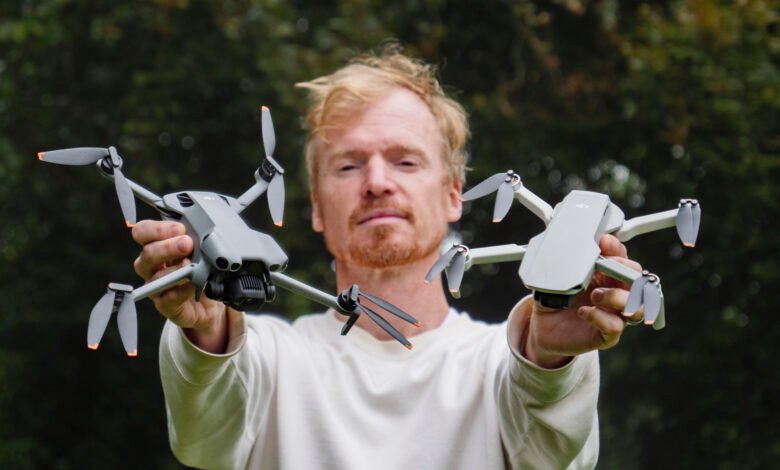
▼ Summary
– The DJI Mini 5 Pro is a top-tier sub-250g drone with a superior camera and advanced safety features, outperforming the Mini 4K in nearly every aspect.
– The Mini 5 Pro costs significantly more than the Mini 4K, with prices starting at £689/AU$1,119 versus $299/£240/AU$499 for the entry-level model.
– Safety is a major differentiator, as the Mini 5 Pro includes omnidirectional object sensing and LiDAR, while the Mini 4K only has basic downward-facing sensors.
– Video and camera capabilities are far better on the Mini 5 Pro, featuring a 1-inch sensor, 4K up to 120fps, 10-bit color, and 50MP stills compared to the Mini 4K’s limited specs.
– Flight performance favors the Mini 5 Pro with longer battery life, higher speed, greater transmission range, and advanced tracking modes like 360° ActiveTrack.
DJI has once again redefined the entry point for aerial photography with the release of the Mini 5 Pro, a sub-250g drone that combines professional features with remarkable portability. This latest model not only outperforms its predecessor but also sets a new benchmark when compared to more budget-friendly options like the Mini 4K. For those stepping into the world of drones, understanding the differences between these two models is essential for making an informed purchase.
When it comes to pricing, the gap between these drones is impossible to ignore. The Mini 4K presents an attractive starting point at just $299, making it one of the most affordable ways to get airborne. On the other hand, the Mini 5 Pro commands a significantly higher price, starting at £689. Both are available in standard and Fly More Combo packages, though it’s worth noting that the Mini 5 Pro is not currently available in the US market. While the Mini 4K’s low cost is tempting, its lack of advanced safety systems may lead to higher long-term costs due to potential repairs or early replacement.
Safety is where these two drones diverge most dramatically. The Mini 5 Pro comes equipped with omnidirectional obstacle sensing and LiDAR technology, allowing it to navigate complex environments with confidence, even in low light. This comprehensive protection helps prevent collisions and makes flying more intuitive, especially for beginners. In contrast, the Mini 4K offers only basic downward sensors, useful only during takeoff and landing. Without full obstacle avoidance, pilots must exercise extreme caution, limiting creative possibilities and increasing the risk of accidents.
Video capabilities further highlight the gap between these models. Both drones record in 4K, but the Mini 5 Pro’s larger 1-inch sensor captures significantly more detail, especially in challenging lighting conditions. It also supports 10-bit color and higher frame rates, including 4K at 120fps and slow-motion options up to 240fps in 1080p. The inclusion of a flat D Log M color profile provides greater flexibility in post-production. The Mini 4K, while competent, is limited to 4K/30fps with standard color processing and less dynamic range.
Photography enthusiasts will appreciate the Mini 5 Pro’s 50MP still images and versatile gimbal that allows effortless switching between horizontal and vertical framing, ideal for social media content. The Mini 4K shoots 12MP photos and lacks the advanced gimbal rotation, limiting creative angles. Though both drones include digital zoom, the higher resolution of the Mini 5 Pro allows for more usable cropped images.
Flight performance sees the Mini 5 Pro pulling ahead once again. With a larger battery offering up to 36 minutes of flight time and improved transmission range, it provides a more reliable and extended flying experience. Both models include automated QuickShots, but the Mini 5 Pro also introduces 360° ActiveTrack, making it easier to capture smooth, professional-looking footage of moving subjects.
In the end, the choice between these two drones comes down to budget and intended use. The Mini 4K serves as a capable and affordable introduction to drone flying, but its limitations are evident next to the feature-rich Mini 5 Pro. For those serious about aerial imaging and wanting peace of mind, the Mini 5 Pro is undoubtedly the better investment. Its superior sensors, enhanced safety, and professional-grade output justify the higher price, ensuring it remains a trusted tool for years to come.
(Source: TechRadar)