US Military Uses Tesla Cybertruck for Missile Target Practice
▼ Summary
– The US Air Force plans to buy two Tesla Cybertrucks for target practice to test their durability against military threats.
– The Cybertruck was specifically mentioned in procurement documents due to concerns about its potential use by adversaries.
– The Air Force highlighted the Cybertruck’s stainless steel exoskeleton and 48V electrical architecture as unique features.
– Elon Musk previously discussed the Cybertruck’s military potential, and the US State Department considered armored Teslas for diplomats.
– Cybertruck sales have underperformed Musk’s projections, with fewer than 50,000 sold last year amid Tesla’s brand challenges.
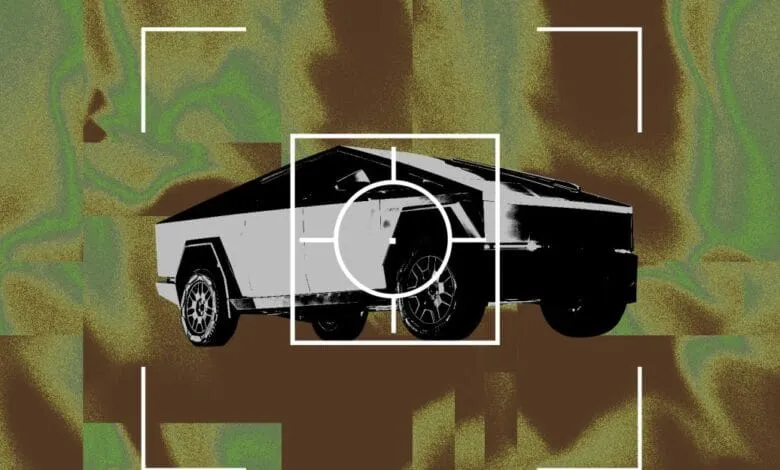
The US military has set its sights on an unlikely target, the Tesla Cybertruck, as part of its missile training exercises. According to recently uncovered documents, the Air Force plans to purchase two of the angular electric vehicles to test their resilience against explosives. The move comes amid concerns that adversaries could potentially repurpose the Cybertruck for combat, given its unconventional design and stainless steel exoskeleton.
Military officials noted the vehicle’s unique durability, which could make it a plausible threat in real-world conflict scenarios. By incorporating the Cybertruck into live-fire exercises at White Sands Missile Range, the Air Force aims to evaluate how conventional weapons perform against its reinforced structure. The request was part of a larger procurement of 33 vehicles, ranging from sedans to SUVs, but the Cybertruck stood out as the only model explicitly named.
Elon Musk has previously touted the Cybertruck’s military potential, even suggesting it could function as an armored personnel carrier. During a 2019 Air Force event, he hinted at its battlefield applications, and earlier this year, the State Department included a $400 million order for armored Teslas in its budget, fueling speculation about diplomatic use. However, the Cybertruck’s commercial performance has fallen short of expectations, with fewer than 50,000 units sold last year, far below Musk’s initial projections.
While Tesla’s sales struggles continue, the military’s interest could offer an unexpected lifeline. If the Cybertruck proves resilient under fire, it might find a niche as a training target, or even inspire further defense applications. For now, though, the Air Force seems more interested in seeing how well it holds up to missiles than how it handles off-road terrain.
(Source: The Verge)