AMD CPUs Hit 17-Year High in Steam Hardware Survey
▼ Summary
– Intel’s CPU share on Steam dropped 0.75% in July, while AMD gained 0.74%, bringing Intel to 59.5% and AMD to a record 40.39%.
– AMD’s growth has been steady since 2017, when its Ryzen architecture launched, surpassing 30% share in 2021 after years of single-digit percentages.
– AMD’s top CPU category on Steam is high-speed (3.7GHz+), while Intel’s most popular category (2.3-2.69GHz) is declining, suggesting gamers prefer AMD’s high-end chips.
– On Linux, Intel is gaining but still trails AMD, though Linux usage on Steam remains low at 2.89%.
– Intel’s long-standing dominance in PC gaming is slipping, with AMD’s competitive pricing and performance potentially leading to a future market lead.
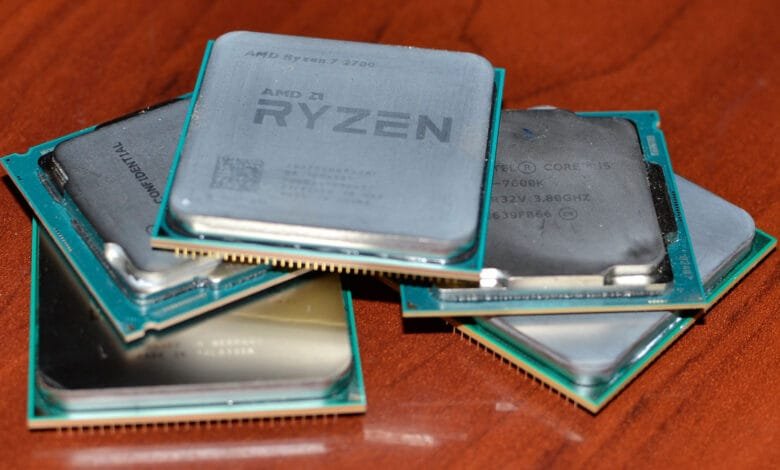
The latest Steam Hardware Survey reveals AMD processors have reached their highest market share in 17 years, signaling a major shift in the PC gaming landscape. Intel’s longtime lead continues to shrink, with July’s data showing a 0.75% decline, bringing its total share down to 59.5%. Meanwhile, AMD climbed 0.74%, reaching 40.39%, its strongest position since November 2008.
This upward trajectory for AMD began gaining momentum after the 2017 launch of its Ryzen architecture, a turning point that disrupted Intel’s near-monopoly. Back in May 2021, AMD surpassed 30% for the first time in over a decade, and steady growth since then has brought it within striking distance of overtaking its rival. The contrast is stark when looking back at March 2018, just a year after Ryzen’s debut, when AMD barely held 10% of Steam’s user base.
Digging deeper into the survey data reveals another advantage for AMD. While specific CPU models aren’t listed, the breakdown by clock speeds highlights a key trend. Intel’s most common chips fall in the 2.3GHz to 2.69GHz range, representing 22% of its users, a segment that’s shrinking. On the other hand, AMD’s dominant category is 3.7GHz and above, which includes premium models like the X3D series. This suggests gamers are increasingly opting for AMD’s high-performance processors over Intel’s mid-range options.
The picture shifts slightly when examining Linux users, where Intel has made modest gains. However, AMD still leads in this niche, with both brands seeing high-speed CPUs as the top choice. Linux adoption on Steam remains low at 2.89%, though it’s gradually rising.
Beyond hardware preferences, the broader takeaway is clear: Intel’s grip on the gaming market is weakening. Whether due to pricing, performance, or innovation, AMD’s strategy is resonating with consumers. If this trend continues, Intel could lose its top spot sooner than expected, a reminder that even industry giants aren’t immune to competition. Nvidia, currently dominant in GPUs, should take note: complacency can be costly in the fast-moving tech world.
(Source: PC Gamer)


