Why Health Tracking Accuracy Isn’t Always Essential
▼ Summary
– A doctor told the author three years ago she needed to lose about five pounds of visceral fat above her belly button, not subcutaneous fat or general weight.
– The author’s BMI and weight were considered fine, but visceral fat was targeted due to borderline high cholesterol and a mildly concerning health indicator.
Nearly three years ago, a doctor told me I needed to lose abdominal fat , but not the kind you might think. She pinched the skin on my lower belly and explained that was subcutaneous fat, the harmless padding most of us carry. What concerned her was the fat above my belly button, where visceral fat accumulates around internal organs. She wanted me to shed about five pounds of that specific fat. This wasn’t about weight loss. My BMI and overall weight were perfectly fine, she said. The issue was fat loss, driven by borderline high cholesterol and a mildly concerning blood test result.
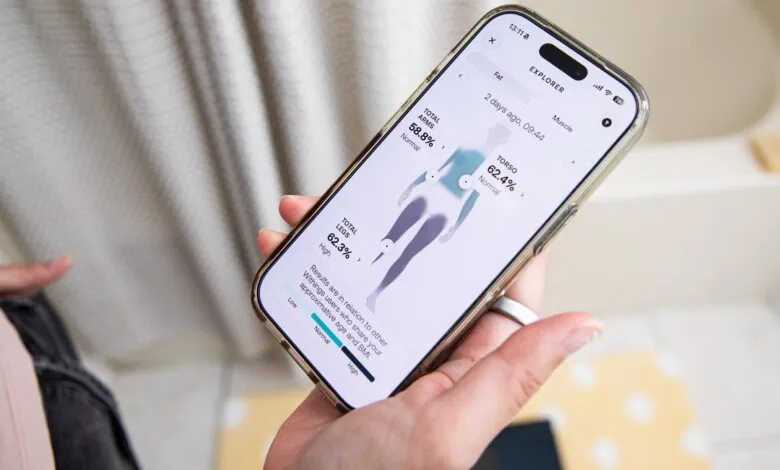
That conversation reshaped how I think about health tracking. For years, I’d obsessed over the number on the scale and the body fat percentage from my smart scale. But those metrics were misleading. My smart scale couldn’t distinguish between the fat I needed to lose and the fat that was harmless. It lumped everything together, offering a single number that told me very little about what was actually happening inside my body.
This experience taught me a crucial lesson: accuracy in health tracking isn’t always the point. Sometimes, the most useful data isn’t perfectly precise. What matters more is consistency, trend awareness, and context. A smart scale that’s off by a few percentage points in body fat can still show you whether you’re moving in the right direction over weeks or months. The visceral fat estimate on my scale might not be clinically accurate, but it gave me a reason to ask my doctor the right questions.
In the end, the most valuable health tool wasn’t a gadget at all. It was having a doctor who physically examined me and explained what the numbers meant. The wearable data was a conversation starter, not a diagnosis. And that’s a distinction worth remembering: trackers are great for motivation and awareness, but they’re no substitute for professional medical insight. Sometimes, the best thing a device can do is make you curious enough to seek real answers.
(Source: The Verge)