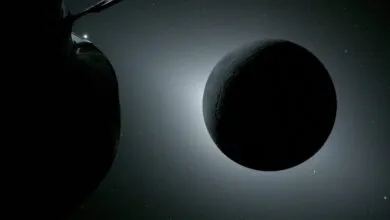
Artemis II Pilot Details Orion Flight and Landing Experience
▼ Summary
– The Artemis II crew spoke with the media six days after returning to Earth from their mission around the Moon.
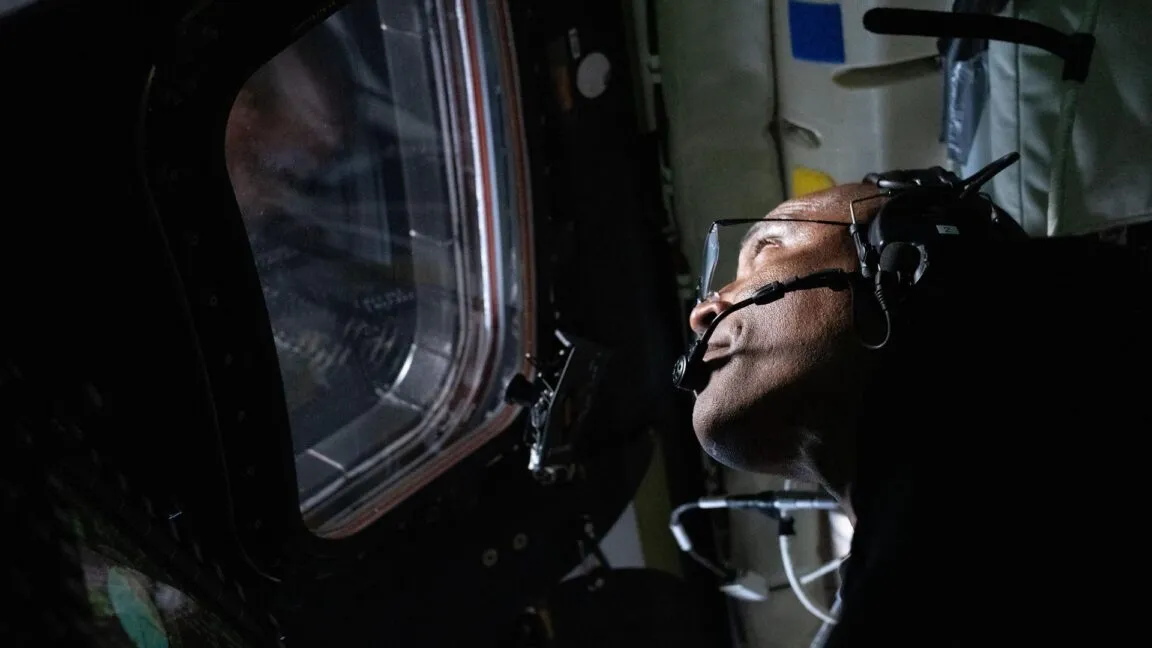
– Pilot Victor Glover was interviewed by Ars Technica, which first connected with him nearly a decade ago for a project on Apollo.
– Glover is now a key figure in the Artemis program, which aims to return humans to the Moon and establish a base there.
– He first went to space in 2020 as the pilot on the first operational Crew Dragon mission to the International Space Station.
– For Artemis II, Glover was assigned to handle most of the test piloting of the Orion spacecraft during the journey to and from the Moon.
Six days after their historic return from a lunar flyby, the Artemis II crew met with reporters to share their experiences. In a series of interviews following a formal news conference, Orion pilot Victor Glover provided a detailed account of the spacecraft’s performance and the intense moments of reentry and splashdown. Glover, a veteran naval aviator and former Crew Dragon pilot, was responsible for a significant portion of the test piloting duties during the mission’s journey to and from the Moon.
Glover’s connection with our publication dates back almost ten years, when he participated in a series reflecting on the Apollo program. Today, he is a key figure in its successor, the Artemis program, which seeks to reestablish a human presence on the lunar surface and build a sustainable outpost. His perspective bridges the legacy of past exploration with the technical realities of today’s deep space missions.
Reflecting on the Orion spacecraft landing, Glover described a rapid transition from extreme forces to profound relief. The final descent was marked by a series of parachute deployments, each stage critical for slowing the capsule. He characterized the experience as moving swiftly from a period of high-intensity focus to what he called “pure elation” upon a safe splashdown in the Pacific Ocean. His primary role during these phases was to meticulously monitor vehicle systems and communicate status updates, a task for which his extensive test pilot background was essential.
The pilot also offered insights into the unique environment inside Orion during the mission. He confirmed that the crew module was remarkably quiet and smooth during the trans-lunar coast, a stark contrast to the dynamic launch and reentry phases. This allowed for periods of relative calm where the crew could absorb the awe-inspiring view of the receding Earth and the Moon growing larger in their windows. Glover’s firsthand observations are invaluable data points for NASA engineers working to refine the spacecraft for future, longer-duration Artemis missions aimed at lunar landings.
(Source: Ars Technica)