Windows 11’s Taskbar Is Now Movable
▼ Summary
– Microsoft is reintroducing the ability to move the Windows 11 taskbar to the top or sides of the screen after nearly five years.
– This change is part of broader updates addressing criticism of Windows 11’s performance, reliability, and user experience.
– The feature will first be available to Windows Insiders in the coming weeks before a general release later this year.
– Microsoft had removed this long-standing taskbar functionality when Windows 11 launched in 2021, which was widely criticized.
– The company is also working on a smaller taskbar option and has been gradually restoring popular features from Windows 10.
After a lengthy wait, Microsoft is reintroducing a fundamental customization feature to Windows 11: the ability to move the taskbar. This long-anticipated change addresses widespread user feedback and is part of a broader initiative to improve the operating system’s flexibility and overall user satisfaction. The move signals a responsive approach to the critiques Windows 11 has faced since its launch.
Windows chief Pavan Davuluri confirmed the development, stating that repositioning the taskbar has been a top user request. The upcoming feature will allow individuals to dock the taskbar to the top or sides of their display, offering greater personalization for their digital workspace. This functionality is scheduled to debut for Windows Insiders in the near future, with a general release planned for all users later this year.
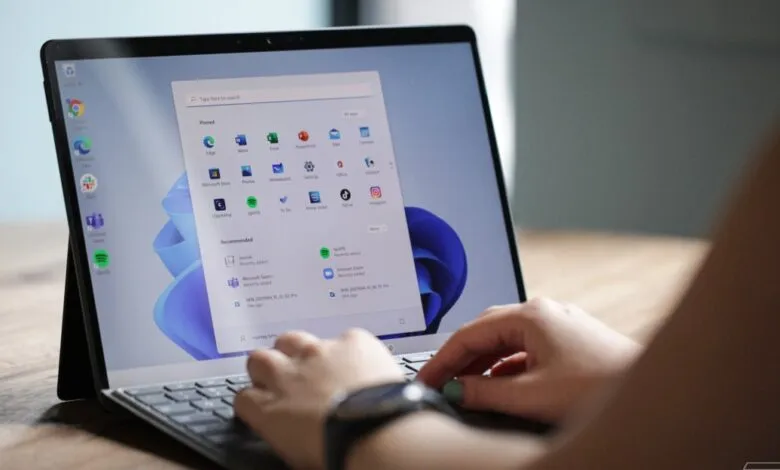
!A person adjusting their Windows 11 taskbar settings
The return of this feature marks a notable reversal. For decades, Windows included a movable taskbar, but Windows 11 launched without this capability in 2021, a decision that frustrated many long-time users. The initial version of the taskbar was criticized for missing several key features, such as displaying the time and date on secondary monitors, support for small icons, and the flexibility to reposition it. This limitation stemmed from the taskbar’s origins in the now-canceled Windows 10X project, which was designed for dual-screen devices before its core elements were adapted for the mainstream Windows 11 release.
Alongside the movable taskbar, Microsoft is developing a smaller taskbar variant, which will be offered as an optional setting. This effort to restore user control is part of a larger pattern. The company has been gradually reintroducing popular elements from the Windows 10 taskbar. In a related move, Microsoft recently began testing an agenda calendar view within the Windows 11 notification center, another feature that was present in Windows 10 but omitted from the initial Windows 11 build. These cumulative updates suggest a concerted effort to blend the modern interface of Windows 11 with the practical functionality users have come to expect.
(Source: The Verge)