Slay the Spire 2 Feels Too Familiar
▼ Summary
– Slay the Spire 2 is a sequel developed and published by Mega Crit, released into Early Access on March 5, 2026 for $25.
– The article assumes its readers are deeply familiar with the original game, having mastered its characters, card synergies, and strategies over many hours.
– It recalls the initial experience of the first game, which involved exciting discovery, careful card evaluation, and learning through trial and error.
– The reviewer hoped the sequel would recapture that sense of discovery and offer a fresh perspective on the genre.
– However, after a week in Early Access, the initial feeling is that Slay the Spire 2 feels too similar to the original, lacking a sufficient sense of new challenge.
For dedicated fans of the original, Slay the Spire 2 arrives with immense anticipation, promising to rekindle the magic of mastering a complex and rewarding deck-building roguelike. The game enters Early Access with a familiar core loop that feels immediately comfortable, yet this very comfort raises questions about whether the sequel offers enough new ground to explore for veterans of the genre.
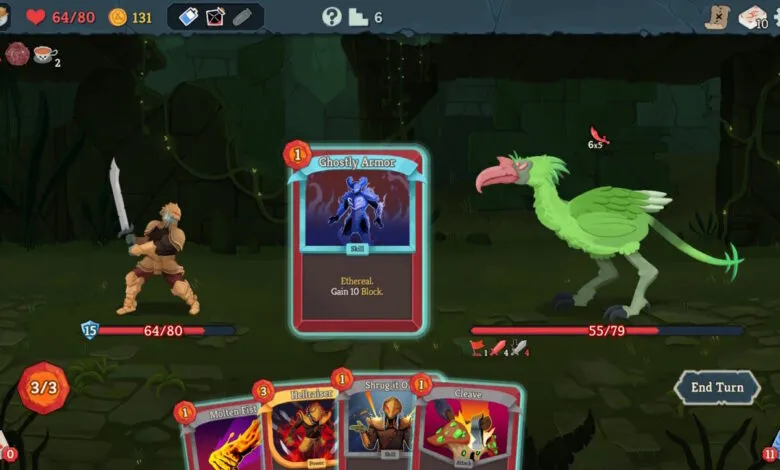
Many players have spent countless hours with the first game, learning every card synergy and optimal path. It becomes a second nature, a reliable puzzle where the variables change but the fundamental strategies feel deeply ingrained. The sequel, in its current state, often mirrors that exact sensation. While there are new characters, cards, and mechanics, the overarching rhythm of climbing a spire, managing resources, and building a deck operates on very similar principles. The initial learning curve feels remarkably short if you’re already an expert, which can diminish that thrilling phase of experimentation and gradual mastery that defined the early hours of the original.
Think back to your first encounters with Slay the Spire. Each new card was a mystery to be solved, every boss a seemingly insurmountable wall that taught a harsh lesson. Progress was measured in small, hard-won victories, and the game’s brilliant balance kept you engaged through failure. That sense of navigating uncharted territory is what many hoped to recapture. Slay the Spire 2 introduces fresh elements, but they are layered onto a foundation that is nearly identical, making the early hours feel more like a refinement than a revolution. The new systems are interesting, yet they integrate so smoothly that they rarely force a veteran to completely rethink their approach.
This is not to say the game lacks quality or content. The production values are higher, with polished visuals and interface improvements. The new playable characters offer unique mechanics and card pools that provide legitimate new ways to engage with the core gameplay. However, for players who have exhausted every possibility of the first title, the sequel’s opening act can feel like putting on a new version of those perfectly broken-in shoes. They look nicer and have updated laces, but the fit and feel are so familiar that the novelty wears off quickly. The joy of discovery feels abbreviated, replaced by the efficient application of pre-existing knowledge.
Ultimately, Slay the Spire 2 is a extremely competent and well-crafted follow-up that excels at delivering more of what fans loved. Its potential for growth during Early Access is significant, and future updates could dramatically expand its identity. In its launch state, however, it risks being a victim of the original’s perfection. It provides a fantastic deck-building experience, but one that currently feels more like a expansive, high-quality mod than a bold step into a new chapter. For newcomers, it will be a stellar entry point. For the most seasoned spire slayers, it may take more time and additional content to feel truly new again.
(Source: Ars Technica)