Nintendo Should Let Camelot Make RPGs Again
▼ Summary
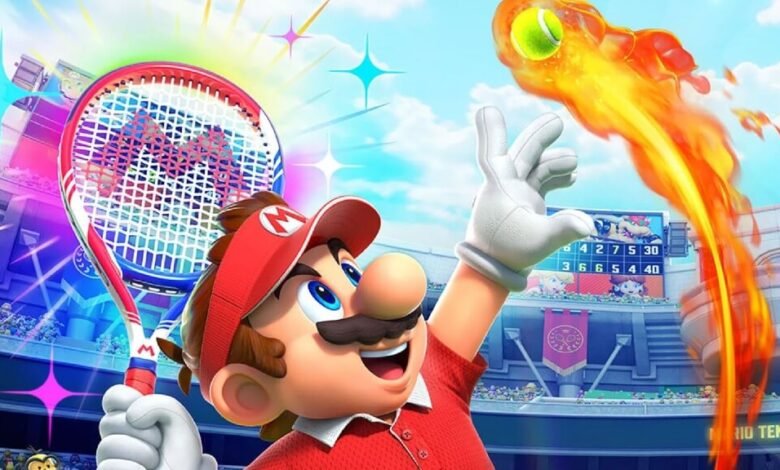
– The author argues that Camelot Software Planning, the developer of Mario Tennis Fever, should be freed from making Mario sports games to return to its RPG roots.
– While Mario Tennis Fever is technically competent and feature-complete, the author finds it merely average, rating it a “7 out of 10” or a “B.”
– Camelot was originally founded to make PlayStation RPGs and was known for titles like *Beyond the Beyond* and its work on the *Shining Force* series.
– Nintendo specifically recruited Camelot for its RPG expertise to develop *Mario Golf* on the N64, wanting to infuse a sports game with RPG depth.
– The successful Game Boy Color version of *Mario Golf*, which included a robust RPG adventure mode, cemented Camelot’s long-term role as Nintendo’s primary sports game developer.
For decades, the name Camelot has been synonymous with a specific type of Nintendo experience: polished, fun, and reliably solid Mario sports titles. From the fairways of Mario Golf to the courts of Mario Tennis, the studio has delivered consistent entertainment. Yet, playing their latest offering, Mario Tennis Fever, evokes a peculiar sense of longing. The game is competent, featuring a full roster, smooth gameplay, and improved visuals over its predecessor. It functions perfectly well, earning a respectable but unremarkable score. This very adequacy, however, highlights a deeper creative gap. It underscores a decades-long diversion for a studio once celebrated not for backhands and birdies, but for its profound contributions to the role-playing game genre.
The studio’s origins are a world apart from its current output. Founded with the intent of developing for the Sony PlayStation, Camelot created the first PlayStation RPG released in North America, Beyond the Beyond. They were deeply involved with the acclaimed Shining Force III. When Sega’s strategic shift left them in a precarious position, Nintendo saw an opportunity. They didn’t approach Camelot for their sports game acumen, but for their RPG pedigree. Nintendo sought a studio that understood the narrative depth and character progression that defined the golden age of 16-bit gaming, hoping to inject those qualities into a new golf title.
The result was 1999’s Mario Golf for the Nintendo 64, a critical and commercial success. The true revelation, however, came with the Game Boy Color version. Led by Shugo Takahashi, a designer from Shining Force II, this portable edition included a groundbreaking 20+ hour RPG adventure. Players created a custom character, joined a club, leveled up their stats, and interacted with a world full of NPCs, effectively blending sports mechanics with a traditional RPG structure. This innovative mode was replicated with similar acclaim in 2000’s Mario Tennis for Game Boy Color. These games weren’t just sports sims; they were full-fledged RPGs wearing athletic gear.
Since that pivotal moment, Camelot’s trajectory has been almost exclusively defined by refining the Mario sports template on Nintendo’s home consoles. The experimental, genre-blending RPG modes were gradually streamlined and eventually abandoned in favor of more straightforward sports action. While this has produced a string of enjoyable games, it has also meant that the unique spark of those early titles, the deep, rewarding progression systems and charming world-building, has faded. The studio’s foundational genius for crafting engaging RPG mechanics now only faintly echoes in the background, like a forgotten melody.
The modern gaming landscape is richer and more diverse than ever, yet there remains a distinct space for the kind of experiences Camelot once mastered. Imagine a new, original IP from the Takahashi brothers that leverages their understanding of both addictive sports gameplay and rich RPG systems. Alternatively, revisiting the concept of a sports-RPG hybrid with the full resources of the Nintendo Switch could yield something truly special, appealing to fans of both genres in a way few games do. Freeing Camelot to explore this creative heritage once more wouldn’t just be a nostalgic gesture; it would be a strategic investment in unique gameplay that feels both fresh and fondly familiar. Their proven ability to build worlds and progressions systems is a resource that has been underutilized for far too long.
(Source: AV Club)