M5 MacBook Pro Launch: Rumored Release Date Nears
▼ Summary
– Apple is expected to release multiple new MacBook models in 2026, starting with M5 Pro and M5 Max updates for the 14-inch and 16-inch MacBook Pro in early 2026.
– A new budget MacBook, potentially priced as low as $599, is rumored to feature an A-series chip and a smaller, approximately 13-inch display to compete with Chromebooks.
– The MacBook Air is also anticipated to receive an M5 chip refresh in the first half of the year, likely maintaining its current design and starting price.
– Later in 2026, Apple may launch the first MacBook Pros with OLED touchscreens, a new design, and potentially next-generation M6 chips, though at a higher price.
– These OLED models would represent several firsts for Macs, including a touchscreen and a Dynamic Island-style camera cutout, but would retain traditional keyboard and trackpad input.
The tech world is buzzing with anticipation for what could be a landmark year for Apple’s laptop lineup. 2026 is shaping up to be a standout period for MacBooks, with a cascade of updates rumored to span from premium professional machines to an entirely new budget-friendly option. Industry whispers suggest we are merely weeks away from the first major announcements, setting the stage for a transformative cycle that could redefine Apple’s portable computing portfolio.
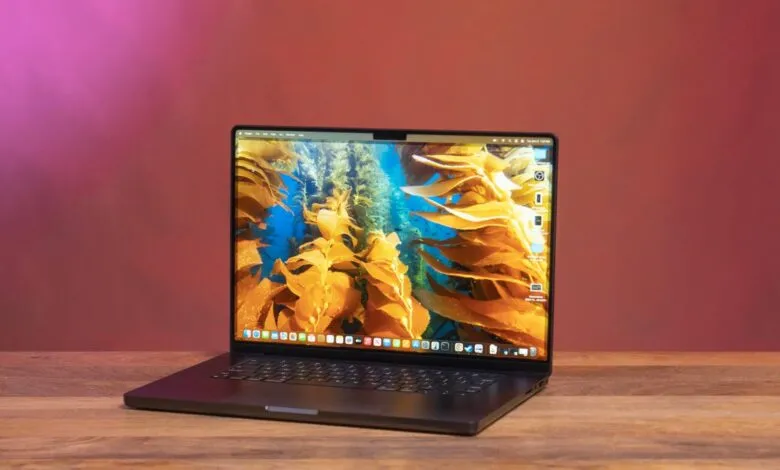
Leading the charge are the expected updates to the MacBook Pro with M5 Pro and M5 Max chips. Following the release of the 14-inch model with the standard M5 last October, Apple is poised to bring these more powerful processors to the entire Pro lineup, including the 16-inch variant. These chips are anticipated to follow the established pattern of offering additional CPU and GPU cores alongside higher memory bandwidth, catering specifically to demanding workflows like video production, complex 3D modeling, and advanced AI tasks. While the core design of the laptops is not expected to change, the performance uplift could be significant. Analysts point to a release aligned with a major macOS update, likely in the coming months, making it a prudent time for potential buyers to wait.
In a strategic shift, Apple is also rumored to be developing its most affordable MacBook ever, targeting a price point as low as $599. This model would reportedly diverge from the M-series architecture, instead utilizing an A-series chip, similar to those in iPhones, to drastically reduce costs. To achieve this aggressive pricing, compromises are expected, including a slightly smaller display, likely around 13 inches, and the use of standard USB-C ports instead of Thunderbolt. Positioned to compete directly with Chromebooks and entry-level Windows laptops, this device would cater to users with basic needs like web browsing, document editing, and light media consumption, potentially becoming a popular choice for students.
Not to be left out, the popular MacBook Air is also slated for an upgrade to the M5 chip. A refresh in the first half of the year would follow Apple’s typical release cadence for its ultraportable line. This update is expected to be a straightforward spec bump, maintaining the current design, storage tiers, and starting price while delivering the efficiency and performance benefits of the new silicon. A more substantial redesign for the Air is not anticipated for at least another couple of years.
Perhaps the most intriguing rumor for later in the year involves the potential debut of the first MacBook Pro models with OLED touchscreens. This would represent a major design leap, integrating a higher-end, thinner display technology that offers superior contrast and color. Alongside the stunning screen, these models might introduce a new hinge mechanism engineered for touch interaction and could replace the familiar screen notch with a Dynamic Island-style camera cutout. They are also speculated to be among the first Macs to feature next-generation M6 chips. Naturally, these premium components and the touchscreen capability would command a higher price, likely adding several hundred dollars to the cost of comparable current models. This innovation signals Apple’s careful move toward blending the tactile iPad experience with the robust power of a MacBook, though traditional input methods like the trackpad and keyboard will remain central to the design.
(Source: CNET)