Blue Origin to Reuse Booster in Next Historic Launch
▼ Summary
– Blue Origin’s next New Glenn rocket launch will carry an AST SpaceMobile communications satellite, targeting late February from Cape Canaveral.
– The mission will use a previously flown booster from the November launch, which is being refurbished for this flight.
– This represents a rapid booster turnaround, with the second mission having launched just 10 weeks prior to the planned third.
– The quick reuse contrasts with SpaceX’s early approach, which involved scrapping and inspecting its first landed booster.
– The article notes that the launch date may slip into March, despite the late February target.
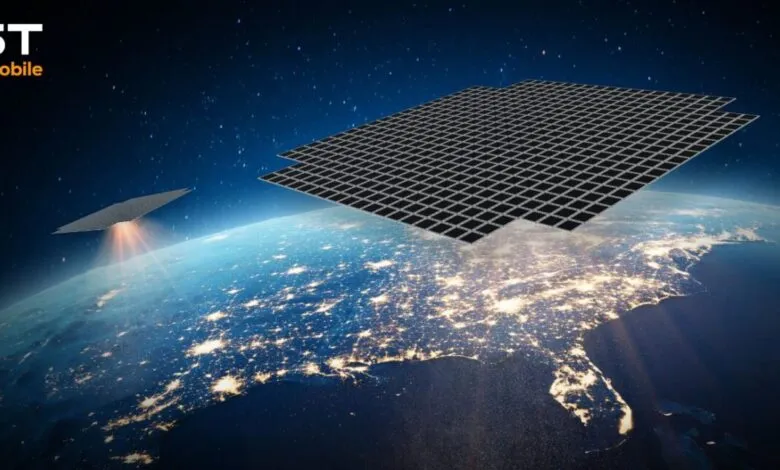
Blue Origin has announced a significant step in its launch operations, confirming the upcoming New Glenn mission will deploy a major communications satellite for AST SpaceMobile. The flight, targeting a launch window no earlier than late February from Cape Canaveral, will carry the advanced Block 2 BlueBird satellite. This mission marks a pivotal moment for the company’s reusable rocket program, showcasing its commitment to rapid and sustainable space access.
The most noteworthy detail, however, was revealed toward the end of the announcement. The rocket will be powered by the same “Never Tell Me The Odds” booster that successfully landed just ten weeks prior during the NG-2 mission on November 13. This decision to refurbish and refly the booster for the NG-3 launch represents an exceptionally fast operational turnaround for an orbital-class vehicle, signaling Blue Origin’s accelerating pace in reusability.
This rapid cadence stands in contrast to the early, more cautious approach taken by industry leader SpaceX. After its first successful Falcon 9 booster landing in December 2015, SpaceX chose not to immediately reflight that specific vehicle. Extensive post-flight analysis revealed significant internal wear and tear. Engineers meticulously scrapped and inspected that historic booster to fully understand the stresses of reentry and landing, using those lessons to inform the design of more durable future rockets.
Blue Origin’s move to reuse a booster on its very next mission demonstrates a confident stride into the operational phase of reusability. If the company meets its late-February target, though some industry observers anticipate a slip into March, it will underscore a formidable launch tempo. The successful launch and recovery of this booster will provide invaluable data on refurbishment processes and hardware longevity, which are critical for achieving the low-cost, high-frequency launch goals that define the modern space industry.
(Source: Ars Technica)