HP EliteBoard G1a: A Full Windows 11 PC Hidden in a Keyboard
▼ Summary
– The HP EliteBoard G1a is a new Windows-based keyboard-PC, presented as a more accessible alternative to existing options.
– The keyboard-PC concept was popularized by the Commodore 64 and is now led by Raspberry Pi’s models like the Pi 400 and Pi 500+.
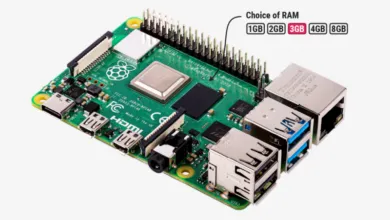
– The Raspberry Pi 400 integrates a Pi 4 single-board computer into a keyboard case, offering ports and a Linux OS for a low-cost desktop experience.
– The more advanced Pi 500+ features a Pi 5 processor and NVMe SSD storage inside a mechanical keyboard, but at a higher price point.
– Raspberry Pi keyboard-PCs primarily attract hobbyists and Linux users, creating a niche product with a steep learning curve for beginners.
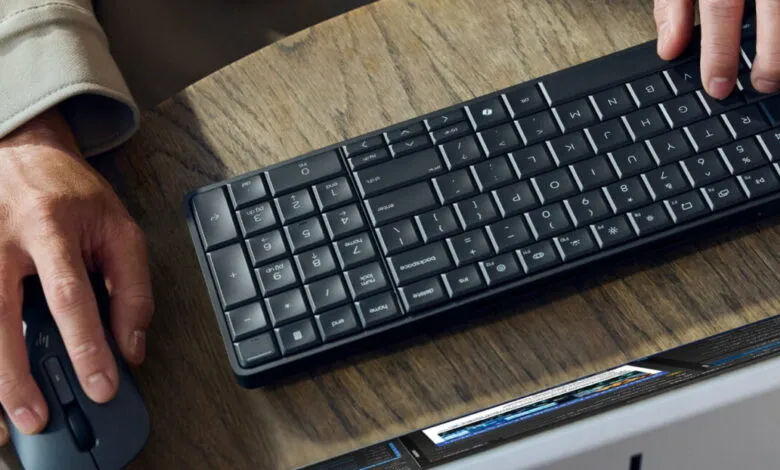
The HP EliteBoard G1a introduces a compelling concept for modern workspaces: a complete Windows 11 computer integrated directly into a sleek, functional keyboard. This innovative device offers a streamlined and accessible desktop computing solution, moving beyond niche hobbyist markets to provide a genuine alternative for professional and personal use. By embedding a full PC into a familiar peripheral, HP aims to simplify desk setups and reduce clutter without sacrificing core functionality.
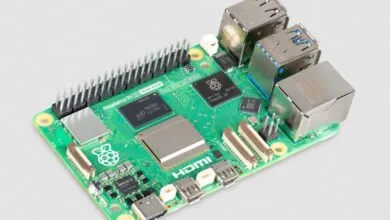
This idea of a computer-in-a-keyboard isn’t new. It traces its roots back to iconic machines like the Commodore 64 from the 1980s. In recent years, the concept has been revitalized largely by the Raspberry Pi ecosystem. The Raspberry Pi 400, launched in 2019, placed a Pi 4 single-board computer inside a keyboard chassis, offering ports for USB, HDMI, and Ethernet alongside its GPIO header. Running a native Linux distribution, it delivered a budget-friendly desktop experience for around $100. This was followed by more powerful iterations like the Pi 500, housing a faster quad-core Arm processor, and the premium Pi 500+, which features NVMe SSD storage instead of microSD and is built into a low-profile mechanical keyboard, though its price doubles to approximately $200.
However, Raspberry Pi systems primarily attract tinkerers, DIY enthusiasts, and those comfortable with Linux. This focus means using a Pi as a primary desktop often involves a substantial learning curve for the average user, keeping it a niche product. The HP EliteBoard G1a differentiates itself by running the ubiquitous Windows 11 operating system, immediately making it familiar and usable for the vast majority of consumers and businesses straight out of the box.
(Source: Ars Technica)