Google Blames Samsung Charger for Pixel’s Swollen Battery
▼ Summary
– A Google service center representative in Delhi, India, blamed a customer’s swollen Pixel battery on her use of a Samsung charger.
– The article suggests this was likely a tactic to deny warranty service, as using a different brand’s original charger should not cause battery swelling.
– It notes that a lack of consumer knowledge in India can make such blame-shifting tactics effective for service centers.
– The text references a history of hardware issues with Pixel phones, including overheating and battery problems that have required software fixes.
– The author argues Google should focus on improving battery quality rather than allowing service centers to wrongly blame customers.
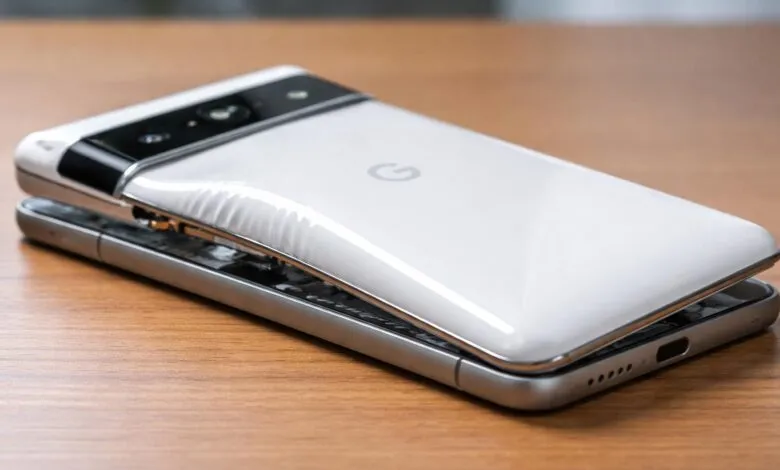
A swollen smartphone battery is a serious safety concern that can lead to device damage and potential hazards. When a customer in Delhi, India, sought help for this exact issue with her Google Pixel, the explanation provided by a service center representative was both surprising and questionable. The employee reportedly stated that the battery swelling was directly caused by the customer using a Samsung-branded charger to power her Pixel device. This claim has sparked significant discussion about warranty practices and technical accuracy in consumer electronics support.
The incident, shared on social media by an observer, details a conversation where the customer was asked what charger she used. Upon answering “Samsung,” the representative immediately attributed the swollen battery to that accessory. There is no indication from the report whether the customer ultimately received a battery replacement or any repair service under warranty. This scenario highlights a frustrating experience where a technical explanation was used to potentially deny legitimate service, shifting responsibility onto the consumer for using a charger from a different, yet reputable, brand.
From an engineering perspective, the representative’s assertion is highly dubious. A genuine Samsung charger, like any quality USB power adapter, is designed to deliver the correct voltage and negotiate appropriate charging speeds with the connected device. Modern smartphones and chargers communicate to establish safe power delivery, making it unlikely for a major brand’s charger to cause physical battery damage like swelling. If using another company’s charger were a genuine cause, battery failures would be rampant given the widespread use of third-party and cross-brand charging accessories from companies like Anker or Belkin.
A more probable cause for the swollen Pixel battery is a combination of factors inherent to the battery itself or its usage. Prolonged use, exposure to high temperatures, or a latent battery defect are common culprits behind such failures. Google’s Pixel lineup has, unfortunately, faced its share of hardware-related challenges over the years. There have been documented cases of overheating, with some models even experiencing incidents that led to Google issuing software updates to deliberately limit charging performance and battery capacity as a safety measure.
This event raises important questions about customer service protocols. It suggests a scenario where a service agent might deflect blame to avoid the effort and cost of a warranty repair, especially when dealing with customers who may not be deeply familiar with technology specifics. For Google, ensuring consistent and technically sound support is crucial for maintaining consumer trust. Pinning a hardware failure on a compatible accessory could ultimately drive frustrated customers to consider competitors like Apple or Samsung for their next purchase, making transparent and fair warranty handling a business imperative.
(Source: wccftech)