iPhone 17 Pro Max Review: This One Feature Makes It Worth Upgrading
▼ Summary
– The iPhone 17 Pro Max features major photography upgrades, including a redesigned front-facing camera with a square sensor and an improved 4x/8x zoom lens.
– Apple addressed overheating issues by switching to an aluminum body and adding a vapor chamber cooling system, significantly improving thermal performance.
– The device includes hardware enhancements like the A19 Pro processor, N1 chip, 12GB RAM, and a larger battery, boosting speed, efficiency, and battery life to match top competitors.
– A design overhaul introduces new colors and materials, though aluminum is less durable than previous titanium, leading to reports of cosmetic damage on some models.
– The author recommends upgrading from iPhone 15/16 Pro Max if overheating was a problem, and advises iPhone 14 Pro Max or earlier users to consider this model for its comprehensive improvements.
The iPhone 17 Pro Max represents a significant leap forward, particularly for users frustrated by the overheating issues that plagued its two immediate predecessors. This comprehensive review explores whether the latest flagship justifies an upgrade, focusing on the most impactful improvements and real-world performance.
For the first time in several years, this evaluation concentrates solely on the Pro Max model. While the standard Pro shares nearly all the same features, the Pro Max’s larger screen and battery make it the primary focus, especially since Apple has allocated a massive 40% of its production capacity to this model, anticipating record sales.
A quick overview of the new features includes the powerful A19 Pro processor with enhanced neural accelerators for AI tasks, a display that now reaches a blinding 3,000 nits of brightness, and the new N1 chip for more efficient Wi-Fi 7 and Bluetooth 6 connectivity. Wired charging sees a modest bump to 36W, while wireless charging now supports faster 25W Qi2.2 speeds with third-party accessories. The device also starts with 12GB of RAM and offers a colossal 2TB storage option.
However, four key upgrades truly define this year’s model.
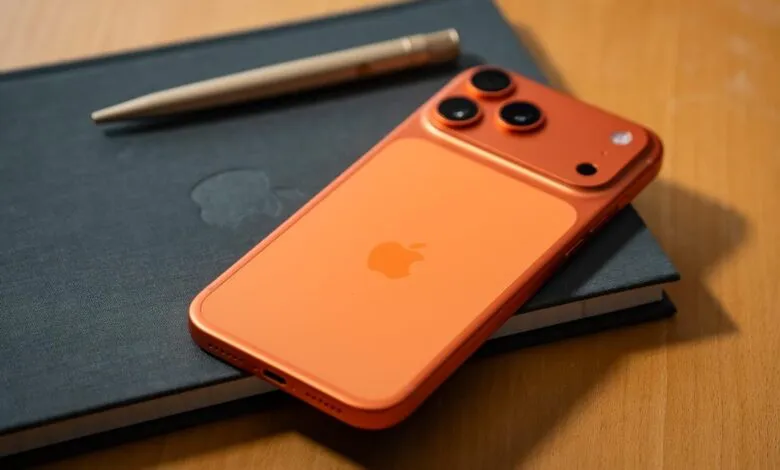
The most critical improvement addresses a persistent flaw: thermal management. Apple has completely redesigned the iPhone 17 Pro Max, most notably by replacing the titanium frame with an aluminum one. This change allows for more vibrant colors but comes with a trade-off in durability, with early reports of the blue and orange models showing scratches easily. The silver/white option is the most resilient for those who prefer to go caseless.
The switch to aluminum is far more than cosmetic. This material is substantially better at dissipating heat than titanium, and Apple has complemented this with an internal vapor chamber cooling system. For anyone who experienced the frequent overheating of the iPhone 15 Pro Max or 16 Pro Max, during intensive tasks like photography or even while charging in a car, this is a game-changer. In testing, the new cooling system kept the phone significantly cooler during demanding processes like data migration. While it’s not entirely immune to overheating in extreme conditions like direct, hot sunlight, the improvement is dramatic and makes the device far more reliable.
A revolutionary front-facing camera system makes the iPhone 17 Pro Max a selfie powerhouse. Recognizing that users take hundreds of billions of selfies annually, Apple has fundamentally re-engineered the front camera. It now features an 18MP ultrawide sensor with a square design, branded as the new Center Stage camera. A simple tap lets you switch between vertical and horizontal shots while holding the phone normally. Even more impressive, an AI-powered Auto Rotate and Auto Zoom feature can intelligently frame group selfies to ensure everyone is in the shot. This innovation is so compelling it will likely influence the entire smartphone industry.
Telephoto photography receives a major professional-grade boost. The tetraprism zoom lens has been upgraded from a 12MP to a 48MP sensor, with the primary optical zoom now at 4x. A new 8x option uses a high-quality crop to deliver a 12MP optical-quality image. The result is noticeably sharper, less grainy zoom photos, especially in good light. While it may not completely replace a dedicated camera for all pro photographers, it closes the gap significantly and is a welcome advancement for anyone serious about mobile photography.
Battery life now competes directly with the best Android flagships. Housing its largest battery ever at 5,088mAh, combined with the efficiency of the A19 Pro and N1 chip, the iPhone 17 Pro Max achieves a rated 39 hours of video playback. In practical, mixed usage, you can expect a solid 15 to 20 hours on a single charge. This finally brings it to parity with workhorse devices like the Samsung Galaxy S25 Ultra, a phone renowned for its all-day endurance and fast charging capabilities.
Looking ahead, there is still room for improvement. The camera bump has grown to become the largest on any premium phone, making the device less pocket-friendly and aesthetically bulky. On the software side, while iOS 26 introduces a fresh “Liquid Glass” design, the hardware is arguably ahead of the software, particularly regarding AI. The phone is built for powerful AI features that Apple itself has yet to deliver, leaving third-party apps to fill the void for now. Finally, the prospect of a foldable iPhone that maintains all the flagship camera and performance specs remains a highly anticipated future possibility.
For potential buyers, the recommendation hinges on your current device. If you own an iPhone 14 Pro Max or older, this upgrade is highly recommended, offering vastly better performance, battery life, and cameras. For those with an iPhone 15 or 16 Pro Max, the decision is more nuanced. If you have been consistently bothered by overheating and poor battery performance, the iPhone 17 Pro Max’s thermal redesign alone may be worth the upgrade, especially if you can secure a favorable trade-in deal. However, if your current phone runs cool and holds a charge well, you may want to wait for the next iteration.
(Source: ZDNET)