Samsung Galaxy S26 Ultra vs. Google Pixel 10 Pro XL: Which to Buy?

▼ Summary
– The Samsung Galaxy S26 Ultra is recommended for users who prefer a feature-rich software experience (OneUI 8.5), a superior display with glare-free coating and Privacy Display, and better performance from the Snapdragon 8 Gen 5 Elite chipset.
– The Google Pixel 10 Pro XL is recommended for users who prefer a cleaner, less intrusive software experience and a camera system excelling in computational photography and AI tools like Pro Res Zoom.
– The Pixel 10 Pro XL is also noted for being more comfortable to hold with a better ergonomic design and includes a built-in magnetic accessory system (PixelSnap), unlike the Samsung.
– The writer’s final choice is the Samsung Galaxy S26 Ultra for its more capable feature set and vivid camera output, but advises waiting for a discount or promotional deal.
– Both phones offer a promise of at least seven years of software updates, positioning them as long-term investments.
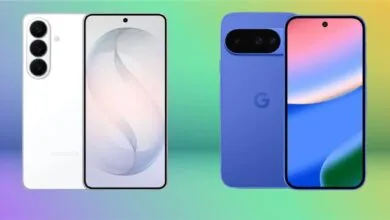
For those seeking the pinnacle of Android smartphones in 2026, the decision often narrows down to two flagship contenders: the Samsung Galaxy S26 Ultra and the Google Pixel 10 Pro XL. Each represents a distinct philosophy in mobile design, catering to different user priorities. Whether you value raw power and customization or a streamlined experience with computational brilliance, understanding their core strengths is key to choosing your next device.
Consider the Samsung Galaxy S26 Ultra if your priorities align with these advantages.
First, you appreciate a deeply customizable software experience. Samsung’s OneUI 8.5 is packed with features, offering extensive control over everything from home screen animations to widget styles. It integrates unique tools for the built-in S Pen and introduces new Galaxy AI capabilities, like context-aware notifications. Samsung also guarantees a lengthy seven-year software update commitment, ensuring long-term value.
Second, you demand a top-tier display in every scenario. While both phones share similar 6.8-inch AMOLED specs, Samsung pulls ahead with exclusive hardware enhancements. Its glare-free coating dramatically cuts reflections, and the innovative Privacy Display uses pixel technology to obscure your screen from side views, functioning like a built-in privacy shield.
Third, peak performance and faster charging matter to you. Powered by the record-setting Qualcomm Snapdragon 8 Gen 5 Elite chipset, the S26 Ultra is built for demanding tasks and efficient power management. This is complemented by a 60W wired charging system that can replenish most of the battery in just thirty minutes.
The Google Pixel 10 Pro XL becomes the compelling choice for a different set of reasons.
A major draw is a preference for clean, intuitive software. The Pixel launcher on Android 16 offers a less cluttered, more straightforward interface compared to Samsung’s feature-heavy approach. Google matches the seven-year update promise and delivers frequent Pixel Feature Drops, seamlessly adding new capabilities over time.
Next, you want the most forgiving and intelligent camera system available. Google’s strength lies in computational photography. Its 100X Pro Res Zoom uses AI to reconstruct detail impressively, often outperforming optical rivals. Features like real-time Camera Coach guidance and powerful editing tools make capturing great photos remarkably easy, prioritizing ideal results and user convenience.
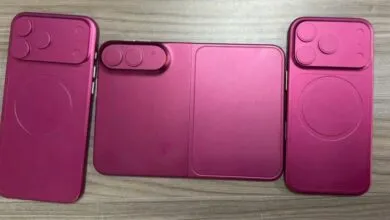
Finally, ergonomics and accessory integration are important. The Pixel 10 Pro XL’s design, with its flat yet subtly curved edges, is notably more comfortable to hold than the boxier Galaxy. It also supports the PixelSnap magnetic ecosystem, enabling easy attachment of grips, stands, and chargers without bulky cases or adapters, a convenience Samsung still lacks.
If forced to choose one, the Samsung Galaxy S26 Ultra edges out as the more versatile powerhouse, especially for users who want every possible feature and a brilliant, private display. However, it’s wise to wait for a promotional deal or bundle. Its camera produces vibrant, share-ready images with minimal effort, a boon for social media enthusiasts. With Samsung’s deepening collaborations on AI features, you won’t sacrifice much software innovation either, making it a comprehensively capable flagship for the long haul.
(Source: ZDNET)