Sarah Bond Reveals Microsoft’s Prototype for Next-Gen Xbox

▼ Summary
– Streaming boxes or cloud gaming appear to be the future, with considerations for resolution and audience preferences between hardcore and casual gamers.
– Past hardware models like the 3DO faced challenges due to cost, licensing, and consumer preferences, highlighting the complexity of console manufacturing.
– A PC OEM-style console is a possibility, but its success is uncertain and depends on various factors like features and market appeal.
– Consumer spending on consoles is influenced by which features they actually use, with many not utilizing streaming or Blu-ray capabilities, affecting perceived value.
– Digital and streaming media adoption varies by individual, with some prioritizing convenience over ownership, while a small group may return to physical media or piracy.
The gaming community is buzzing with speculation following recent insights into Microsoft’s future Xbox strategy. While concrete details remain under wraps, the conversation has shifted toward the potential for a more diversified hardware ecosystem. This could mean anything from dedicated streaming devices to handheld units, moving beyond the traditional console model. The core idea seems to be offering different tiers of access to the Xbox ecosystem, catering to a wider audience with varying needs and budgets.
Looking back at hardware history provides some cautionary tales. The 3DO Interactive Multiplayer serves as a classic example of a multi-manufacturer model that ultimately struggled. While brands like Panasonic found some favor, the high cost and complex licensing structure proved significant barriers to mainstream success. This historical context raises important questions about whether a similar “blueprint” approach could work today, given the intense competition and consumer expectations for value.
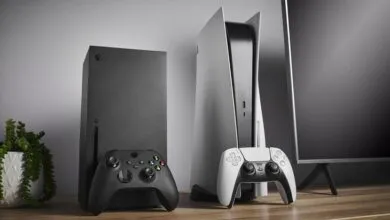
Another possibility is Microsoft adopting a strategy similar to a PC OEM, producing a range of hardware specifications. However, the success of such a fragmented approach is far from guaranteed. It would test consumer loyalty and purchasing habits, forcing people to decide exactly what features they are willing to pay for. Many users primarily buy a console for gaming alone, often leaving features like 4K Blu-ray playback or advanced streaming unused, which complicates the value proposition of a feature-rich, premium device.
A more nuanced strategy could involve software-based segmentation. Instead of different physical hardware, Microsoft might create tiered experiences within the same console, similar to Windows modes, by enabling or disabling certain apps and features. This would allow them to offer a lower-cost entry point without developing entirely new hardware SKUs. Executing this well would require a great deal of consumer trust, as gamers would need to feel confident they are getting a fair deal for the experience they select.
The ongoing debate between physical and digital ownership also plays into this future. It’s fascinating to observe how people often show more concern for their digital libraries than their physical collections, even though licensing agreements can make digital content less permanent. The common attitude seems to be one of convenience over longevity, with many dismissing potential issues until they are personally affected. This mindset directly parallels the streaming world, where content frequently disappears from services, and viewers simply accept it or move on.
While a vocal minority advocates for a return to physical media or explores alternative means of access, they represent a small segment of the overall market. The majority appear comfortable with the trade-offs of an all-digital, subscription-based future. For platform holders like Microsoft, the challenge lies in navigating these complex consumer behaviors. They must build hardware and services that not only appeal to hardcore enthusiasts but also capture the interest of the more casual audience, whose loyalty can be fickle. The path forward will depend on a delicate balance of price, performance, and perceived value.
(Source: Pure XBOX)