Xbox Handheld Proves Prongs Are Essential for Gaming On-the-Go
▼ Summary
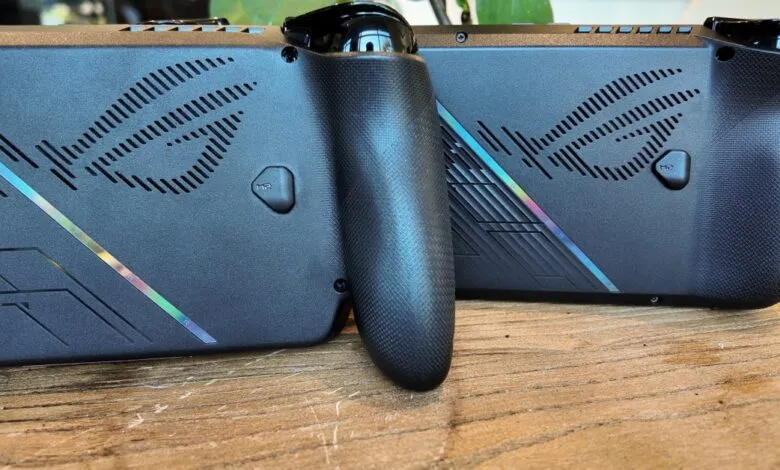
– The Xbox Ally X is praised for its comfort due to prongs that allow a secure grip, similar to the design of the ROG Ally X but with added handles.
– These prongs resemble those on the GameCube or PS5 DualSense controllers but are longer to better accommodate adult hands and provide more grip.
– Despite the comfort, the author notes that the Xbox Ally X does not adopt Valve’s superior thumb ergonomics found in the Steam Deck.
– Key unanswered questions remain about the device’s Windows experience and pricing, which were not disclosed during the author’s preview.
– The Xbox Ally X is set to launch on October 16th, with the author advising readers to wait for full reviews before purchasing.
The ergonomic design of modern gaming handhelds often hinges on a single, crucial feature: substantial grips. While many devices prioritize a sleek, portable form factor, the upcoming Xbox Ally X from Microsoft and Asus demonstrates that comfort and control should never be sacrificed. This model builds upon the foundation of the ROG Ally X but introduces a defining change, prominent prongs that transform the entire user experience.
Side-by-side comparisons reveal the Xbox Ally X resembles its predecessor in almost every way, except for those unmistakable handles extending from the sides. They evoke the nostalgic shape of a Nintendo GameCube controller, though with a modern twist that accommodates adult hands more fully. Where older designs sometimes left pinky fingers dangling, these updated prongs allow a full, secure wrap-around grip.
Photographs highlight how the added bulk provides a level of stability missing in sleeker competitors. Lifting the device one-handed feels natural and confident, thanks in part to subtle notches that cradle the fingertips. The overall effect is a handheld that feels substantial, intentional, and built for extended play sessions.
That said, ergonomic preferences remain deeply personal. While the pronged design excels in grip and comfort, it doesn’t adopt the thumbstick placement pioneered by the Steam Deck, which many users consider superior. Other devices like the Lenovo Legion Go S or MSI Claw 8 offer their own interpretations of handheld ergonomics, but none permit quite the same enveloping hold as the Xbox Ally models.
Beyond physical design, significant questions linger about software optimization and pricing. Microsoft’s new full-screen interface for Windows on handhelds has been described as a preliminary effort, leaving room for improvement. How the company and Asus position these devices in terms of cost will also play a critical role in their market reception.
Hands-on time with the hardware left a strong impression: the addition of well-designed prongs isn’t just an aesthetic choice, it’s a functional upgrade that enhances playability. As the October 16 release date approaches, prospective buyers would be wise to await comprehensive reviews that address both hardware comfort and system performance. Early glimpses suggest a step in the right direction, but the full picture remains to be seen.
(Source: The Verge)