Why Vizio TVs Are So Affordable
▼ Summary
– Vizio is an American company, founded in California in 2002, not a Chinese brand.
– Its core business strategy has always been to offer lower-priced televisions.
– Vizio was once considered the leader in value, known for providing better bang for the buck.
– While no longer the top value leader, its TVs remain competitively priced and are still recommended by experts.
– Its ability to maintain low prices is attributed to its specific manufacturing, distribution, and data collection practices.
Vizio televisions consistently rank among the most affordable options on store shelves, offering a compelling price point that often undercuts major competitors. This American brand, established in California in 2002, built its entire identity around delivering budget-friendly sets. For a long stretch, it was celebrated as the undisputed champion of value, providing more features per dollar than nearly anyone else. While its dominance in that specific arena has shifted, experts still frequently point to Vizio models when recommending quality televisions that won’t break the bank. Across various price tiers, their products remain competitively priced.
Naturally, this leads consumers to wonder how the company achieves such low prices, especially when compared to industry giants like Samsung, LG, and Sony. The answer lies in a strategic combination of streamlined operations and a unique business model. The core reason for Vizio’s affordability stems from its approach to manufacturing, distribution, and how it leverages user data.
Unlike many competitors who operate their own costly production facilities, Vizio does not manufacture its own television panels or components. Instead, the company designs its products and then contracts the actual assembly to third-party factories, primarily in Asia. This eliminates enormous capital expenditure and overhead, allowing Vizio to avoid the financial burden of maintaining plants and a massive direct manufacturing workforce. They essentially outsource production to specialists, paying only for the finished units.
Distribution is another area where significant costs are trimmed. Vizio maintains a remarkably lean operation with far fewer employees than its rivals. By keeping corporate overhead low and relying heavily on retail partners for logistics and sales, the company passes those savings directly to the consumer. Their acquisition by Walmart has further streamlined this channel, integrating them into one of the world’s largest and most efficient retail networks.
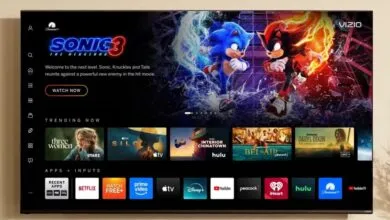
Perhaps the most distinctive aspect of Vizio’s strategy is its data-centric revenue model. Many Vizio smart TVs run the company’s SmartCast platform, which is supported by advertising and the collection of aggregated viewing data. This practice, often called “AVOD” or advertising-based video on demand, generates a continuous revenue stream long after the initial TV sale. By monetizing user engagement through tailored ads and selling anonymized insights into viewing habits, Vizio can subsidize the upfront hardware cost. The television becomes not just a product, but a platform for ongoing income.
This combination of factors creates a powerful formula for low prices. The lack of in-house manufacturing cuts production costs, a minimal corporate structure reduces operational expenses, and alternative data-driven revenue streams help offset the sticker price. For shoppers prioritizing an attractive initial cost over absolute top-tier performance or brand prestige, Vizio’s approach delivers a very specific and appealing value proposition.
(Source: BGR)