Hasbro’s Video Game Expansion Hits Early Obstacles
▼ Summary
– Hasbro has invested over $1 billion in four internal studios (Invoke, Archtype, Skeleton Key, Atomic Arcade) for games based on D&D, Magic, and Transformers.
– In 2025, Hasbro announced it will develop its own PC/console games in 2026, focusing on action-adventure and RPGs, not games-as-a-service.
– Hasbro took a $56 million impairment charge in Q2 2025, canceling several games scheduled for 2028 and beyond, though Exodus and Warlock remain on track for 2027.
– The company is shifting strategy toward co-development and co-publishing with lower-cost partners, reducing gaming investment after 2026.
– Hasbro plans to lean more on partner studios for mobile, casino, and console games, moving away from a robust slate of annual first-party AAA releases.
For years, Hasbro has made bold promises about its future in video games. The toy and entertainment giant announced the creation of six internal game studios in 2022, including Atomic Arcade working on a GI Joe game, Skeleton Key developing an unannounced project, and Invoke Studios crafting a Dungeons & Dragons title now known as Warlock. There was also Archetype Entertainment building a new sci-fi RPG called Exodus, an unnamed Washington state studio, and the ongoing MTG Arena team. The plan seemed ambitious, but execution has proven difficult.
The troubles began in 2023. Despite the massive success of licensed titles like Baldur’s Gate 3 and Monopoly Go!, Hasbro canceled five internal video game projects and conducted multiple rounds of layoffs. Senior vice president of digital strategy and licensing Eugene Evans downplayed the significance, telling Game File that project cancellations are routine. “It became a narrative of, like, ‘Oh, they canceled a bunch of projects,’” he said. “And it’s like, ‘Yeah, we do that all the time, like everybody else.’”
By 2024, head of digital product development Dan Ayoub was once again championing the company’s internal development strategy. He revealed that Hasbro had invested over $1 billion in game development across just four studios: Invoke, Archetype, Skeleton Key, and Atomic Arcade. “Video games is an integral part of Hasbro’s strategy going into the next 100 years,” Ayoub stated. He emphasized the need for top-quality, authentic releases that could serve as foundations for future growth, acknowledging that while the current focus was on a few studios and games, the company had “much larger ambitions.”
Hasbro continued to reinforce this message in subsequent interviews. At a 2025 Brandweek panel, the company publicly announced plans to develop its own games in 2026, even though that was already well known. In May 2026, Ayoub told The Game Business that none of the six internal studios were working on games-as-a-service. Instead, they were focused on traditional PC and console titles, while external partners would handle casual, mobile, and VR projects. “We’ll be building games mostly around D&D, Magic, Transformers, maybe some of our other properties, maybe selectively some new stuff,” Ayoub explained. He described a strategy centered on action-adventure and role-playing games for PC and console, supplemented by partnerships for mobile and emerging platforms.
Today, that strategy appears to have hit a significant roadblock. Hasbro’s second quarter earnings report revealed a $56 million impairment charge tied to a “refocused Digital Games portfolio for 2028 and beyond.” Impairment charges occur when a company determines an asset is worth far less than previously estimated. In this case, the charge resulted from canceling “several games scheduled for release in 2028 and beyond,” signaling that Hasbro’s investments in those projects and studios no longer hold their original value.
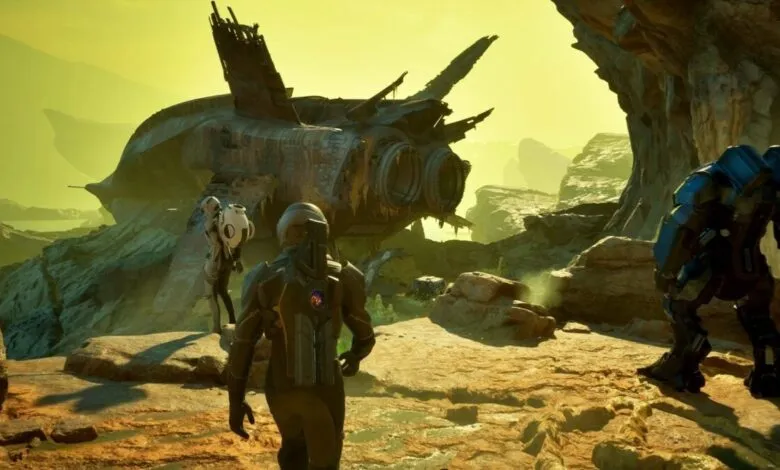
Hasbro has not specified which games were canceled, but educated guesses are possible. Both Exodus and Warlock were confirmed during the earnings call to still be in development, with planned releases in 2027. Skeleton Key’s Montreal studio appears to be actively hiring, and Hasbro mentioned a desire to focus development on “lower cost regions,” with Montreal specifically cited. That project likely remains safe.
The situation is murkier for other studios. Atomic Arcade, the GI Joe game studio, underwent layoffs earlier this year. Hasbro stated that “The Snake Eyes game is not cancelled” and that the team was “evaluating the path forward.” However, at least one employee claimed the studio was being shut down, and no updates have followed. Additionally, Hasbro terminated a publishing agreement with Giant Skull for a DnD action-adventure game in May, less than a year after its announcement. That is almost certainly one of the canceled projects. The fate of a group of ex-Cliffhanger developers who joined Wizards of the Coast last August remains unclear, as does the status of the unnamed Washington state studio.
When asked for clarification, a Hasbro spokesperson provided a statement: “We regularly evaluate our digital games portfolio to ensure we’re investing behind the titles and platforms with the clearest path to long-term success. As part of that ongoing work, we’ve made the decision to no longer proceed with select Digital Games projects, reflecting our refocused portfolio for 2028 and beyond. We remain highly confident in our digital games portfolio. Exodus and Warlock, slated for 2027, both meet the bar we are setting for owned publishing: big audience potential, strong genre fit, franchise potential and meaningful opportunities beyond the initial game.”
Beyond the canceled projects, the earnings call revealed a broader strategic shift. Despite previous declarations about a heavier focus on internally developed PC and console franchises, Hasbro now appears to be pulling back. Executives described a move toward co-development and co-publishing, particularly with “lower-cost partners.” The company intends to focus most heavily on trading card games and RPGs using its own properties, with the goal of building trans-media franchises. Hasbro is also reducing its overall gaming investment after 2026.
“We are focusing our digital investment behind the franchises, platforms, and partners where we see the clearest upside and where Hasbro has the strongest right to win,” CEO Chris Cocks stated on the call.
The company will increasingly rely on partner studios. Hasbro reportedly has over 200 projects in active development across mobile, casino gaming, console, and PC, with partners including Scopely, Aristocrat, Tripledot, Marmalade, Gameberry Labs, Ubisoft, and Gameloft. Most of these partners focus on mobile or gambling games. Previously, Hasbro had promised one to two significant game releases per year starting in 2027. Cocks confirmed that target still stands, but the “composition, level of spending, and how they take those games to market” will change. Big releases will happen, but “I think those won’t be every year,” he said. Instead, the company will mix major titles with “more service-oriented games” and “potentially some smaller, more focused content bets.”
This all suggests that Hasbro is slowly retreating from its grand gaming ambitions. The company is not abandoning its biggest bets, Exodus and Warlock, which are nearing launch and have received substantial investment. But beyond those titles, Hasbro’s first-party portfolio appears to be scaling back. The strategy seems to be returning to the old partnership and licensing model that brought hits like Monopoly Go! and Baldur’s Gate 3. What caused this dramatic shift in just a few months is unclear, but it was probably only a matter of time before Hasbro joined the rest of the industry in reining in spending on projects unlikely to generate billions in returns. So much for those larger ambitions.
(Source: Kotaku)