Rivian Trims Manufacturing Staff Before R2 Launch
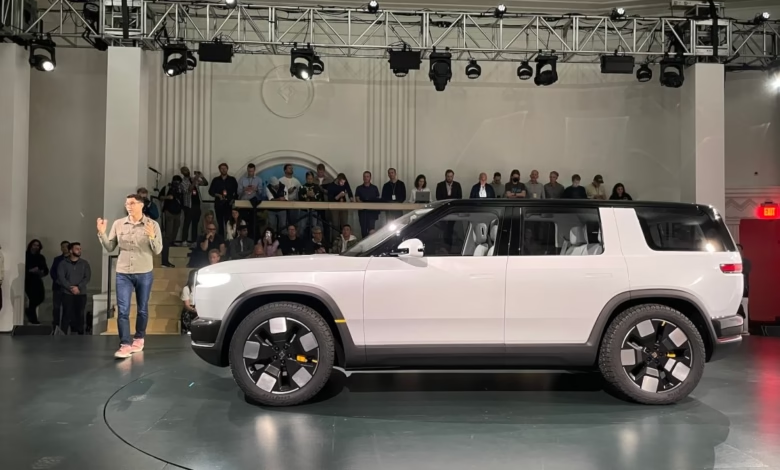
▼ Summary
– Rivian laid off around 140 employees (1% of its workforce) to prepare for the 2026 launch of its more affordable R2 SUV.
– The layoffs primarily affected the manufacturing team and were aimed at eliminating roles causing “process inefficiencies.”
– Rivian confirmed the cuts, stating they were part of efforts to improve operational efficiency for the R2 launch.
– Affected employees are being encouraged to apply for other open positions within the company.
– Rivian has made multiple workforce reductions in recent years, including a 10% cut in early 2024 and another 1% in April 2024.
Rivian has reduced its manufacturing workforce by approximately 140 employees as part of strategic adjustments ahead of its upcoming R2 SUV launch. The cuts represent around 1% of the company’s total workforce and primarily target roles linked to operational inefficiencies. Sources familiar with the matter indicate the layoffs began earlier this week, with affected team members receiving notifications about the restructuring.
A Rivian spokesperson acknowledged the workforce reduction, emphasizing it as a necessary step to streamline operations for the highly anticipated R2 model, slated for release in 2026. Employees impacted by the decision are being offered opportunities to transition into other available roles within the company, reflecting Rivian’s effort to retain talent despite organizational changes.
This marks the latest in a series of workforce adjustments for the electric vehicle manufacturer. Earlier this year, Rivian implemented a 10% reduction in staff, followed by additional cuts in April. According to regulatory filings, the company employed over 14,800 workers across North America and Europe at the start of 2024.
The move underscores Rivian’s focus on optimizing production efficiency as it gears up for the R2’s debut, a critical milestone aimed at expanding its market reach with a more affordable SUV option. Industry analysts suggest these measures could help the company balance cost management with its ambitious growth plans in the competitive EV sector.
(Source: TechCrunch)