Ubisoft Cuts Jobs, Studios and Six Games in Major Restructuring
▼ Summary
– Ubisoft is reorganizing into five decentralized “Creative Houses,” each focused on a specific game genre and responsible for its own development, publishing, and financial performance.
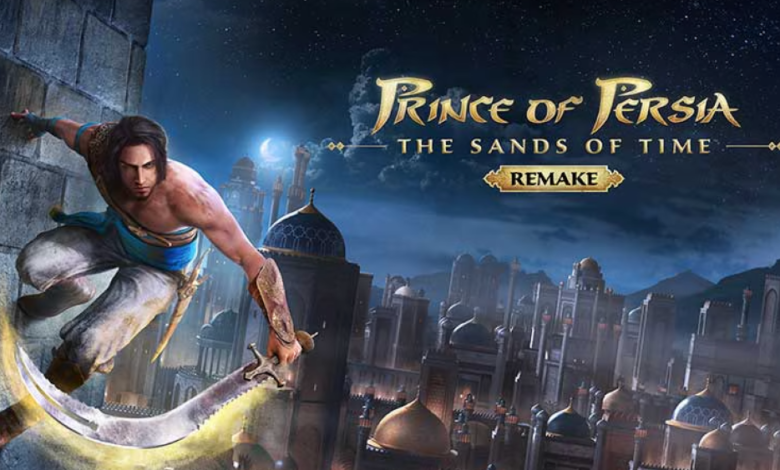
– As part of this restructuring, six games in development, including the “Prince of Persia: The Sands of Time” remake, have been canceled.
– The company will implement further studio closures and layoffs, with details to be announced later, and will return to a five-days-per-week in-office policy.
– Seven unnamed games have been delayed to allow for additional development time to meet new quality benchmarks, impacting the release schedule through fiscal year 2027.
– CEO Yves Guillemot stated this “major reset” aims to refocus the portfolio, reduce costs, and create conditions for sustainable long-term growth through more selective, high-quality game production.
In a significant strategic shift, the video game giant Ubisoft has unveiled a sweeping corporate reorganization, resulting in the cancellation of six titles and the consolidation of its operations into five distinct creative divisions. This major restructuring aims to decentralize decision-making and sharpen the company’s focus on its core franchises and emerging genres. The move comes as the industry faces heightened competition and rising development costs, pushing publishers to prioritize quality and long-term brand value over sheer volume.
The newly formed “Creative Houses” will each concentrate on a specific genre, combining development and publishing functions under one roof. These units will have full financial responsibility for their brands and performance. The five houses are structured as follows: one will manage blockbuster franchises like Assassin’s Creed and Far Cry; a second will handle competitive shooters such as The Division; a third will oversee live service games including For Honor; a fourth will focus on narrative-driven worlds like Prince of Persia; and a fifth will target the casual and family-friendly market with titles like Just Dance.
As part of this portfolio refocusing, several projects have been terminated. The highly anticipated “Prince of Persia: The Sands of Time” remake is among the six canceled games, alongside four unannounced titles and a mobile game that no longer fit the company’s revised quality and strategic criteria. Conversely, Ubisoft is granting additional development time to seven other games to ensure they meet elevated quality benchmarks, including one major unannounced project now delayed from fiscal year 2026 to 2027.
The reorganization will have a direct human impact, though the full extent remains unclear. Ubisoft has already closed its studios in Halifax and Stockholm, and further workforce reductions are expected, with details to be shared later. Additionally, the company is implementing a mandatory return-to-office policy for five days a week, though it will include an annual allowance of remote work days.
Financially, Ubisoft reported preliminary quarterly sales of €330 million, attributing the figure to strong partnerships and a resilient back-catalog. Full earnings are scheduled for release on February 12. In a statement, Founder and CEO Yves Guillemot framed the restructuring as a “major reset” essential for sustainable growth. He emphasized that the new model is designed to produce exceptional games, particularly in Open World Adventures and Games-as-a-Service (GaaS) experiences, by empowering decentralized teams with clear creative mandates.
Guillemot acknowledged the difficult decisions involved, including project cancellations and studio closures, but stated they are necessary to build a more focused and efficient organization. He admitted the portfolio changes will affect short-term financial results in 2026 and 2027 but expressed confidence that this reset will ultimately strengthen the company and renew its path to growth. The announcement signals Ubisoft’s intent to reclaim creative leadership in an increasingly selective market by betting on fewer, higher-quality titles managed by specialized, accountable teams.
(Source: Variety)