CISO Assistant: Open-Source GRC & Cybersecurity Management

▼ Summary
– CISO Assistant is an open-source, self-hosted GRC platform for documenting risks, controls, and framework alignment.
– Its community edition includes foundational functions like defining assets and mapping controls to standards such as ISO 27001 and NIST.
– The tool is deployed via Docker, features a web interface with role-based access, and keeps all data within the user’s environment.
– It centralizes risk management by linking assets, risks, and controls, and supports assessment tracking for audits and reviews.
– The platform is shaped by community input, offers integration options, and future plans include enhanced AI capabilities and multi-tenancy features.
For security teams seeking a structured approach to governance, risk, and compliance, CISO Assistant provides a robust open-source platform. This self-hosted tool enables organizations to document assets, assess risks, and manage controls while maintaining full ownership of their data. Its community edition delivers essential GRC functionality, connecting all elements through a shared data model that emphasizes clear traceability and alignment with major security standards.
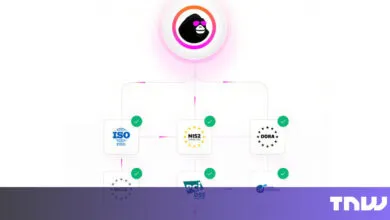
The community edition focuses on foundational GRC functions. Teams can systematically define critical assets, document associated risks, and create controls to mitigate them. A core strength is the ability to map these controls directly to established frameworks like ISO 27001, the NIST Cybersecurity Framework, and SOC 2. This built-in coverage allows for clear tracking of compliance requirements. The platform also supports complete customization, letting users create their own controls and risks, each with dedicated fields for ownership, status, and detailed notes to facilitate ongoing reviews.
Deployment is designed for organizational control. The primary setup method uses Docker, allowing teams to self-manage the installation. Users access the system through a web interface protected by role-based access controls, which help separate administrative functions from the daily updates made by contributors across security, IT, and compliance departments. Because it is self-hosted, all information remains within the organization’s own environment, with the team responsible for storage, backups, and system maintenance.
Effective risk management is central to the platform’s design. Teams begin by cataloging assets and then describing the risks linked to each one using consistent, structured fields. These identified risks are then connected to specific controls designed to address them. Controls act as the crucial link between risks and compliance frameworks. For each control, teams can add descriptive text, implementation notes, and references to evidence, while status tracking provides a view of progress and health over time. The system also accommodates assessment activities, allowing users to record evaluation results and maintain a history, which is invaluable for internal audits and preparing for external reviews.
The tool is built for continuous, operational use throughout the year. As an organization’s systems, vendors, or processes evolve, records within CISO Assistant can be updated to keep the GRC dataset accurately reflecting the current environment. Reporting features are geared toward practical oversight, offering operational views of control coverage, risk status, and framework alignment directly within the interface to support planning sessions and review meetings.
Looking ahead, development continues with strong community input. Planned enhancements include a RAG mode for document ingestion to expand AI capabilities and the development of CA Hub, which is intended to provide advanced multi-tenancy features for larger enterprises, consultants, and managed security service providers. The open-source project is available for free download on GitHub.
(Source: HelpNet Security)