2026: The Year Buttons Return to Cars, Say Crash Testers
▼ Summary
– The automotive industry follows design trends, such as increasingly large wheels and passenger-side infotainment screens, often driven by aesthetics and new technology.
– Fashionable design elements like glossy “piano black” interior trim have fallen out of favor due to being prone to scratches, dust, and fingerprints.
– A significant and problematic trend is the industry-wide shift away from physical buttons for basic controls in favor of touchscreens or other non-tactile interfaces.
– This move away from buttons is a safety concern, as it can force drivers to take their eyes off the road to operate vehicle functions.
– In response, European and Australasian vehicle safety agencies will soon penalize new cars that lack separate, physical controls for basic operations in their safety ratings.
The automotive industry is poised for a significant shift in interior design philosophy, driven not by aesthetics but by a renewed focus on driver safety. Safety regulators are now mandating a return to physical buttons and controls for essential vehicle functions, marking a decisive move away from the touchscreen-heavy interfaces that have dominated car cabins in recent years. This change, set to take full effect in 2026, responds to growing concerns that overly complex digital menus force drivers to take their eyes off the road for dangerously long periods, increasing the risk of accidents.
Car interiors have long been subject to the whims of design trends, from the pervasive use of easily-scratched piano black plastic to the proliferation of large wheels and passenger-side entertainment screens. While these features often prioritize style, the industry-wide shift toward consolidating controls into central touchscreens has introduced a tangible safety problem. Drivers must now navigate through multiple digital menus to perform basic tasks like adjusting the climate control or changing the radio station, a process that demands visual attention and cognitive focus better spent on driving.
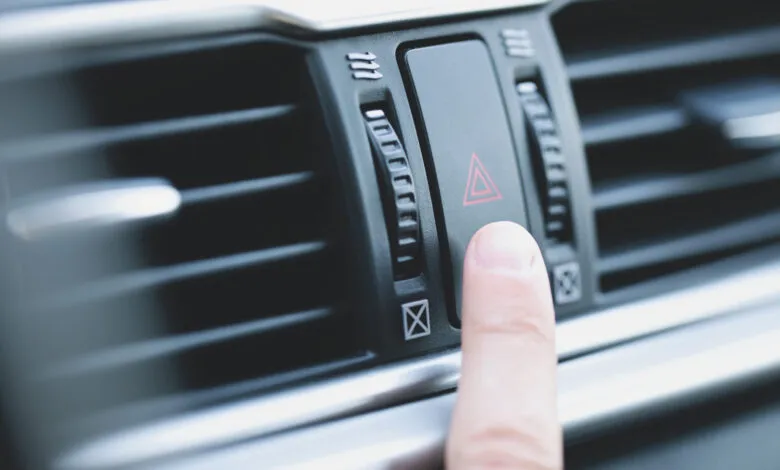
The pushback from safety organizations is now formal and global. The European New Car Assessment Programme (Euro NCAP) announced that starting in 2026, it will penalize new vehicles in its safety ratings if critical functions, including turn signals, hazard lights, wipers, and horn, are not operated by dedicated physical controls. The Australasian New Car Assessment Programme (ANCAP) has followed suit with an identical protocol, creating a powerful incentive for automakers to redesign their approaches. These are not mere suggestions; a lower star rating from these influential agencies can directly impact consumer purchasing decisions and a model’s market success.
This regulatory intervention addresses a core issue identified by human factors research: tactile, physical buttons and knobs allow for muscle memory and blind operation. A driver can reach for and activate a familiar stalk or dial without looking, keeping their gaze on the traffic ahead. In contrast, a flat glass touchscreen offers no tactile differentiation, requiring the driver to look at the screen to locate and press the correct virtual button. This split-second distraction, repeated for simple adjustments, compounds into a serious safety hazard.
The mandate does not mean the end of touchscreens or digital innovation. Instead, it advocates for a balanced, hybrid approach where safety-critical functions have dedicated physical controls, while less urgent infotainment and settings can remain within the digital interface. This philosophy, often called “eyes-on-the-road, hands-on-the-wheel” design, prioritizes intuitive operation for the tasks a driver performs most often while moving. The result will likely be interiors that blend the clean, modern look of digital displays with the practical, immediate access of traditional switches and knobs.
For consumers, this shift promises cars that are safer and less frustrating to operate. The era of fumbling through sub-menus to defog a windshield may finally be coming to a close. For the automotive industry, the 2026 regulations serve as a clear reminder that while technology can enhance the driving experience, fundamental safety must never be compromised for the sake of a minimalist design trend. The humble button, it seems, is making a crucial comeback.
(Source: Ars Technica)