HP’s Gaming Laptop Branding: What’s the Strategy?
▼ Summary
– HP is rebranding its entire Omen gaming line (laptops, monitors, desktops) under the HyperX name, which it acquired in 2021.
– The author finds this branding shift odd, arguing HyperX was historically an accessory brand known for value, not a maker of complete computer systems.
– In contrast, the Omen brand has a pedigree in computer design, tracing its lineage back to the acquired company VoodooPC.
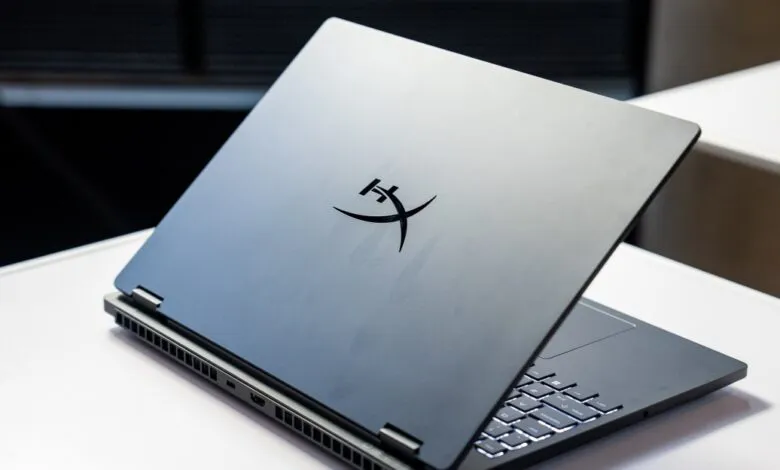
– The author worries the HyperX logo on laptops may be perceived as low-rent or akin to lesser-known brands, despite the products’ established quality.
– This rebranding is compared to Dell’s recent failed attempt to retire its XPS brand, suggesting it could be a similar marketing misstep for HP.
HP’s recent decision to rebrand its entire Omen gaming lineup under the HyperX name represents a significant and puzzling strategic shift. The move sees established HP Omen laptops, desktops, and monitors shedding their primary brand identity in favor of a label historically associated with peripherals. For consumers and industry watchers, this raises immediate questions about brand equity and market perception. The familiar HP Omen 16 Max, for instance, will now be known as the HyperX Omen 16 Max, a change that feels counterintuitive to many who associate the Omen name with capable gaming systems.
HyperX entered the HP portfolio through an acquisition in 2021. It built a strong reputation over the years for delivering quality, value-oriented gaming headsets, keyboards, and mice. Its origins, however, trace back to Kingston and the production of DDR1 memory. In contrast, the Omen brand carries a legacy of actual computer engineering, inherited from the innovative boutique builder VoodooPC, which HP acquired years prior. This heritage produced iconic machines like the ambitious HP Omen X desktop, showcasing a design boldness that the new branding strategy seems to overlook.
There is no inherent dislike for HyperX products. Their accessories have often been praised for comfort, performance, and features like distinctive RGB lighting. The brand cultivated a loyal following. The core of the issue lies in the direction of the branding hierarchy. It feels backwards. Instead of leveraging the prestige of the Omen computer brand to elevate a new line of peripherals, HP is demoting its system-level brand to a secondary position beneath an accessory label. This creates a cognitive disconnect; the HyperX name, for all its merits in the peripheral space, does not intuitively signal high-performance laptops or desktops to many shoppers.
To some observers, the new HyperX or “Hx” logos plastered on laptops evoke associations with generic, lesser-known brands rather than a trusted tier-one manufacturer. While this isn’t factually accurate, the hardware inside remains HP’s engineering, first impressions in a crowded market are critical. Recommending a “HyperX laptop” will require an extra mental step and explanation, whereas “HP Omen” immediately conveyed a known quantity. This rebranding feels like an unnecessary complication, a potential unforced error that could muddy HP’s messaging in the competitive gaming sector.
This situation is eerily reminiscent of other recent branding missteps in the tech industry. It brings to mind Dell’s short-lived and poorly received attempt to retire its premium XPS laptop brand, a decision it dramatically reversed less than a year later after acknowledging that “marketing matters.” HP’s enthusiastic push for a unified HyperX gaming ecosystem risks a similar fate, appearing to prioritize internal branding theory over established market recognition and consumer trust. Only time will tell if this gamble pays off or if it becomes a case study in confusing a loyal customer base.
(Source: The Verge)