Gamer’s Pirated Copy Sparks Fiery Dev Response on Steam
▼ Summary
– A Steam user named BigBadAss33 complained extensively on the game’s forum about issues with Farthest Frontier, a city-builder from Crate Entertainment.
– A developer, Zantai, identified the user as a pirate using a “non-Steam version” and refused to provide support, stating pirates don’t have the privilege to participate in the community.
– Zantai explained that while piracy is a complex issue and some pirates later become paying customers, they have no obligation to support those who don’t value their work.
– The developer’s measured response, which included locking the thread but not banning the user, was still met with reports labeling them as a rude harasser.
– The article notes developers have varied approaches to piracy, from anti-piracy software to in-game tricks, but a common indie consensus is that it can only be managed, not stopped.
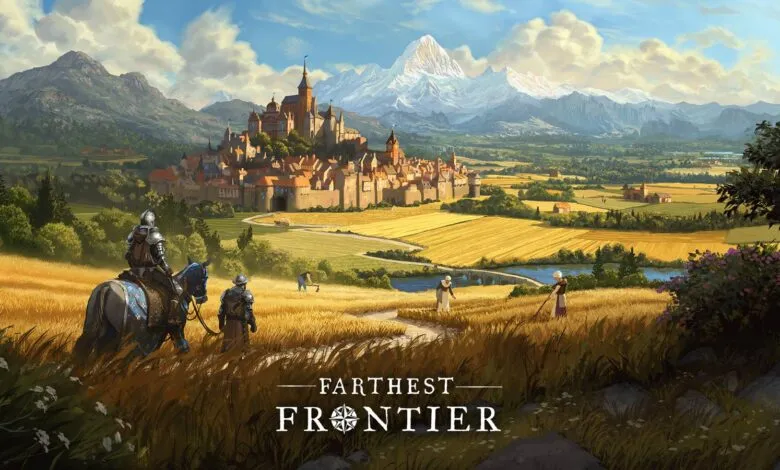
When a player encounters a frustrating technical problem in a game, the natural next step is often to seek help online, sometimes even directly contacting the developers. However, one Steam user recently learned the hard way that this courtesy typically extends only to those who have actually purchased the product. The incident involved the city-builder Farthest Frontier, developed by Crate Entertainment, and sparked a broader conversation about how game creators handle piracy and community support.
The player, using the handle BigBadAss33, had been actively posting on the game’s Steam community forums for weeks, voicing numerous complaints about gameplay mechanics. Issues ranged from the density of forested maps to frustrations with the trading system and inventory management. The situation escalated in late December when the user began reporting persistent game crashes, pleading with developers for a fix in threads with titles like “Please fix your in game time?”
The response from Crate Entertainment was swift and blunt. A developer known as Zantai replied in less than an hour, stating, “Please purchase the game instead of running a ‘non-Steam version.'” The thread was immediately locked. Zantai later clarified on Reddit that they identified the user was playing a pirated copy because the player had referenced a “non-Steam version,” which does not legitimately exist for Farthest Frontier. The developer’s stance was clear: those who do not support the work financially forfeit the privilege of official community support.
Developers employ a wide spectrum of tactics to address software piracy. Some invest in robust anti-tampering services like Denuvo, while others incorporate humorous deterrents, such as Rockstar’s infamous decision to make pirated copies of Grand Theft Auto 4 feature a perpetually intoxicated character. Many indie studios, lacking the budget for such measures, often focus on regional pricing strategies, operating under the pragmatic belief that piracy cannot be entirely prevented, only managed.
Zantai’s approach, while firm, is notably measured. The developer did not issue a ban, acknowledging the complex economic realities that can lead to piracy. They expressed understanding that some players in difficult financial situations might pirate a game out of genuine inability to pay, which does not equate to a lost sale. Furthermore, Zantai has observed that some who initially pirate a title end up purchasing it later, and those individuals are welcome. However, the line is drawn at entitlement; those who can afford the game or pirate it as a form of misguided protest are not afforded the same sympathy.
This incident is not Zantai’s first encounter with piracy. Crate Entertainment’s previous title, Grim Dawn, included code that deliberately hindered pirated copies with problems like broken quests or missing bosses. Despite this history, the recent forum interaction has ironically led to reports filed against Zantai with Valve, accusing the developer of harassment, a claim that underscores the contentious relationship between creators and unauthorized users.
The core principle Zantai emphasizes is one of mutual respect. For independent developers whose livelihoods depend on game sales, support from the community is vital. The message is straightforward: if a game brings you enjoyment, consider supporting the team behind it. If that isn’t financially possible, the least one can do is refrain from demanding help in official spaces while using an illicit copy. The episode serves as a stark reminder that access to developer support is a privilege built on the foundation of purchasing the product.
(Source: Polygon)