Self-Driving Car for Sale: Experience the Future
▼ Summary
– A new company, Tensor, announced plans to sell fully autonomous vehicles to individual customers, an idea also pursued by major companies despite immense technological and legal hurdles.
– The feasibility of private ownership is resurfacing as sensor costs drop, but practical challenges like daily sensor cleaning and calibration remain unresolved for consumers.
– Experts suggest private autonomous car ownership might resemble fractional jet ownership, with third-party specialists handling complex maintenance and logistics.
– Vehicle aesthetics are a significant barrier, as current sensor arrays are considered ugly, though next-generation, smaller sensors may improve design acceptance.
– Companies are pitching Level 4 autonomy with geographic and weather limitations, but consumer skepticism persists and the industry is investing heavily due to competitive pressure, not proven demand.
The prospect of purchasing a fully self-driving car is moving from science fiction into showrooms, but the journey from robotaxi to private ownership is fraught with complex challenges. While companies like the newly emerged Tensor and established giants are actively pursuing this goal, significant questions about practicality, design, and consumer acceptance remain unresolved. The vision of a personal autonomous vehicle has captivated the automotive imagination for decades, yet turning that dream into a viable consumer product involves navigating a maze of technological and real-world hurdles.
A major barrier has traditionally been cost. For years, the sophisticated sensor arrays and computing power required for full autonomy were prohibitively expensive, making fleet-operated robotaxis a more logical first step. However, as the price of critical components like lidar sensors continues to fall, the economic equation is shifting. This cost reduction is renewing interest in selling these vehicles directly to individuals, though affordability is just one piece of the puzzle.
Owning such a vehicle introduces a host of new responsibilities. An autonomous car is not a simple appliance; its myriad sensors require regular cleaning and precise calibration to function safely. It’s unclear whether average owners would be willing or able to handle this maintenance. Some experts suggest a model similar to fractional jet ownership, where you hold the title but a management company handles all upkeep and logistics. This could mean privately owning a driverless car while outsourcing virtually all responsibility to specialized third parties.
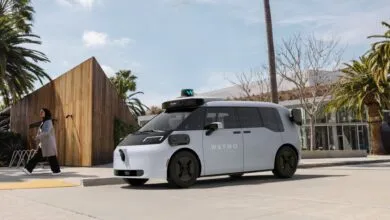
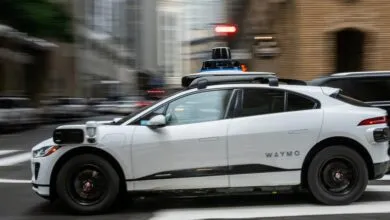
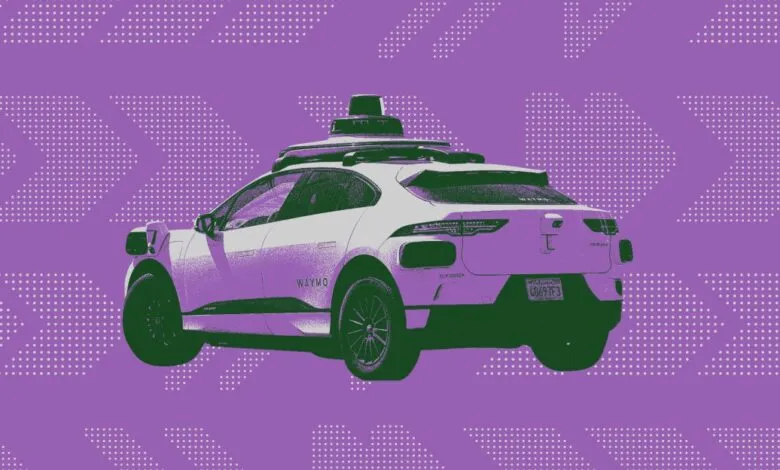
Design presents another significant obstacle. Current autonomous test vehicles are often covered in visible sensors, creating an aesthetic that many find unappealing. As one industry CEO bluntly stated, ugly cars are not sold, regardless of their advanced capabilities. This has long been a point of contention, with critics like Elon Musk arguing that bulky sensors are too obtrusive for personal vehicles. The industry is responding by developing smaller, cheaper, and more discreet next-generation sensors that can be integrated seamlessly into a vehicle’s design, which will be crucial for consumer appeal.
Furthermore, the “full self-driving” label may come with important caveats. Initial offerings will likely be Level 4 autonomous, meaning they operate without human intervention only under specific, pre-defined conditions. This could restrict their use to certain geographic areas or fair-weather driving, requiring a human to take over in a downpour or an un-mapped neighborhood. How consumers will react to these limitations on a vehicle they own, rather than one they hail, is an open question. Surveys consistently show that public skepticism toward self-driving technology remains high, suggesting automakers may be racing ahead of market readiness.
This race is driven by intense competitive pressure. Automakers, from U.S. startups to deeply invested Chinese companies, view leadership in autonomy as critical not just for commerce but as part of a broader contest for technological supremacy. The drive to innovate is powerful, even in the absence of clear consumer demand, because the fear of falling behind is existential. The core idea, a family comfortably traveling in a car that drives itself, has been a staple of automotive futurism for over half a century. Whether this long-held promise finally becomes a practical reality or remains a compelling fantasy is the next great challenge for the industry.
(Source: The Verge)