Remove Negative Google AI Overviews: A Quick Guide

▼ Summary
– Google AI Overviews provide quick search responses but are not always reliable or accurate.
– AI Overviews source information from Google’s Knowledge Graph, internal databases, websites, and user-generated content.
– Negative content in AI Overviews can be addressed through legal actions or working with online reputation management specialists.
– Strengthening positive signals involves strategic publishing, consistent branding, and leveraging structured data and E-E-A-T principles.
– Monitoring AI Overviews and maintaining ethical practices are essential for long-term reputation management.
Google AI Overviews have rapidly become a central feature of the search experience, but their automated nature means they sometimes display inaccurate or damaging information about brands and individuals. This creates significant challenges for anyone concerned with their online reputation. Understanding how these AI-generated summaries work and knowing the steps to correct them is essential for modern digital presence management.
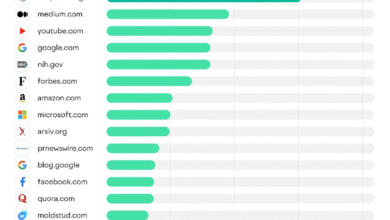
These overviews pull data from multiple sources across the internet. Google’s Knowledge Graph, a massive database of facts about people, places, and things, serves as a primary foundation. The system also incorporates structured information from Google’s own tools, including Business Profiles and the Merchant Center. Furthermore, it scans and cites content from a vast array of websites, from highly authoritative publishers to less reliable sources. User-generated content from platforms like Reddit can also find its way into these summaries. While Google’s algorithms aim to prioritize relevant, fresh, and authoritative information, the system is not perfect. Misinformation can appear due to the original source material, the AI’s attempt to fill informational gaps, or a simple misunderstanding of the user’s search intent.
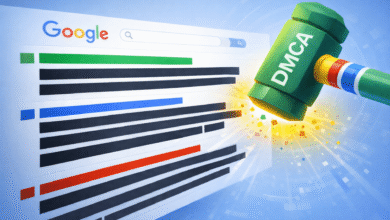
When harmful content appears, there are strategies for its removal or suppression. One approach involves legal and platform-based actions. In some cases, filing a Digital Millennium Copyright Act (DMCA) claim is the appropriate course if copyrighted material is being misused. For demonstrably false and damaging statements, a defamation lawsuit may be an option. Successfully proving defamation typically requires establishing that a false statement was presented as fact, published to a third party, made with at least negligence, and resulted in measurable harm. Given the complexity and jurisdictional variations of defamation law, consulting with a qualified legal professional is strongly advised.
A more accessible and often more effective path is to partner with an online reputation management (ORM) specialist. These experts are skilled in the nuanced process of content removal and crisis mitigation. They possess the specialized tools and ethical frameworks needed to navigate these situations efficiently, often achieving better results than attempting to manage the problem alone.
Beyond reactive measures, you can proactively influence what AI Overviews displays by sending clear, positive signals. Strategic publishing is a powerful method for this. The goal is to build a robust and positive digital footprint that gives the AI authoritative information to reference. This can be achieved by publishing content on credible domains like Medium and LinkedIn, ensuring all material is factually accurate and consistently branded, and leveraging press releases and thought leadership articles to generate credible backlinks. ORM specialists often create supporting pages and content clusters that reinforce a positive narrative, making it more likely for AI systems to surface this preferred information.
Technical enhancements also play a critical role. Implementing structured data and schema markup on your website provides clearer context about your brand, helping to highlight positive reviews and enhance author credibility. Simultaneously, focusing on E-E-A-T (Experience, Expertise, Authoritativeness, and Trustworthiness) is paramount. You can build these signals by referencing work published in reputable outlets, showcasing real client success stories, and clearly outlining professional accolades and expertise in author bios.
Vigilant monitoring is the final key to staying ahead of potential issues. Using specialized tools to track how your brand, executives, and products are represented in AI Overviews allows for early detection of problems. It is also crucial to have a crisis plan ready, which includes established press contacts and a clear understanding of the suppression methods mentioned earlier.
Throughout all these efforts, maintaining ethical integrity is non-negotiable. The objective should never be to manipulate or deceive. Instead, focus on promoting factual, positive content. Aggressive tactics tend to backfire, so finding a balanced approach is vital. A successful reputation strategy is a long-term commitment; while the desire is to remove negative content immediately, lasting results come from consistently promoting truthful and positive information over time.
As AI Overviews continue to shape how people find information online, taking control of your narrative within them is no longer optional. Through a combination of strategic publishing, technical optimization, continuous monitoring, and a steadfast commitment to honesty, you can transform this feature from a potential liability into a genuine asset for your brand’s growth.
(Source: Search Engine Land)