6 Ways to Repurpose Content for Organic Growth You Haven’t Tried
▼ Summary
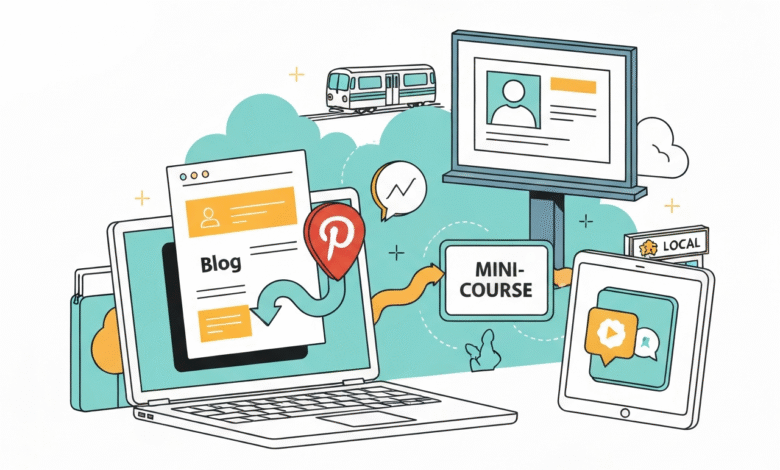
– Enable Pinterest Rich Pins with Tailwind to automatically sync metadata and automate reposting, generating significant organic traffic from Pinterest’s large user base.
– Repurpose content by tailoring it for specific audiences, such as rewriting articles with industry-specific examples to increase engagement and click-through rates.
– Transform existing blog posts or videos into mini-courses on platforms like Coursera to create new revenue streams without starting from scratch.
– Incorporate user-generated content into local advertising formats like billboards and transit ads to build trust and reinforce social proof in physical spaces.
– Convert internal documents like templates and SOPs into public swipe files to share expertise, drive traffic, and capture leads while building credibility.
Unlocking the full potential of your existing content is a powerful strategy for driving organic growth without constantly generating new material. For marketers facing relentless content demands, finding innovative ways to extend the life and reach of what you’ve already created can prevent burnout and deliver impressive results. While many are familiar with basic repurposing tactics, several lesser-known methods can significantly amplify your efforts.
Enabling Pinterest Rich Pins with Tailwind offers a surprisingly effective channel for visibility. Rich Pins automatically pull metadata like titles, descriptions, and author details directly from your website, enhancing both the visual appeal and context of your pins. Pinterest functions as a major search engine with over 587 million monthly users, making this an untapped opportunity for many brands. To get started, set up a Business Pinterest account, claim your website, and ensure your blog posts have optimized Open Graph or Schema markup. Use Pinterest’s Rich Pin Validator to apply for approval. Once enabled, combine this with Tailwind to automatically share your pins across multiple user boards, expanding their circulation and driving sustained traffic. This approach can transform Pinterest into a top organic traffic source, often outperforming other social platforms with minimal ongoing effort.
Audience-specific repurposing involves tailoring broad content to speak directly to different customer segments. Instead of sharing one generic piece across all channels, identify specific audience groups, such as lawyers, restaurant owners, or stylists, and customize your high-performing articles for each. Use SEO tools to validate search interest for niche terms, then rewrite titles and examples to match each audience’s needs. Promoting these tailored versions in relevant communities or newsletters can boost click-through rates by 20% to 50%, making one piece of content work harder across multiple segments.
![Image: A visual showing different audience personas and tailored content versions.]
Launching mini-courses turns your educational content into a new revenue stream. Platforms like Coursera, Udemy, or Skillshare allow you to repurpose blog posts, ebooks, or video series into structured, paid courses. Identify topics that consistently attract traffic or answer common questions, then organize your existing material into modules, such as introductions, core lessons, case studies, and actionable steps. Even short courses under 30 minutes can generate income while positioning your brand as an authority. This strategy not only monetizes your content but also reaches new audiences through platform discovery features.
Displaying user-generated content in local ads brings digital social proof into physical spaces. Customer photos, testimonials, and reviews can be featured on billboards, transit ads, event signage, or in-store displays. Aligning these local campaigns with your digital efforts reinforces brand recognition and trust. Maintain a UGC archive to easily repurpose this content across various formats, creating a cohesive and credible brand presence both online and offline.
![Image: Example of a billboard featuring a customer photo and testimonial.]
Granting access to exclusive swipe files transforms internal resources into valuable public assets. Documents like standard operating procedures, templates, or sales scripts often remain hidden within company drives. By converting these into downloadable PDFs or editable templates, you create shareable lead magnets or thought leadership content. Promote these swipe files through social media teasers or email campaigns to build trust and demonstrate expertise, giving audiences a behind-the-scenes look at your processes.
Using AI tools like ChatGPT to build an FAQ pipeline consolidates existing site content into a practical knowledge base. Upload your blog articles and service pages into a platform like Notebook LM, then prompt it to generate accurate, sourced FAQs based on that material. Publishing these as a centralized resource helps customers find answers quickly, reduces repetitive inquiries, and extends the usefulness of your content. This approach also creates a reference for maintaining message consistency and identifying internal linking opportunities.
Exploring these creative repurposing techniques can breathe new life into your content library, driving growth while maximizing the value of every piece you create.
(Source: Search Engine Land)