Omnichannel & Smart Signage: The Future of Customer Engagement
▼ Summary
– Customer interaction has shifted to multiple digital contact points, requiring businesses to keep pace with technological demands.
– True competitive advantage comes from integrating communication ease with strong brand visibility into one seamless conversation.
– Omnichannel engagement means creating a single continuous customer experience across all touchpoints, eliminating departmental silos.
– Combining digital messaging with physical branding reinforces marketing messages and builds customer trust through consistent visibility.
– The future of customer communication lies in intelligent integration where offline and online data merge for measurable, responsive campaigns.
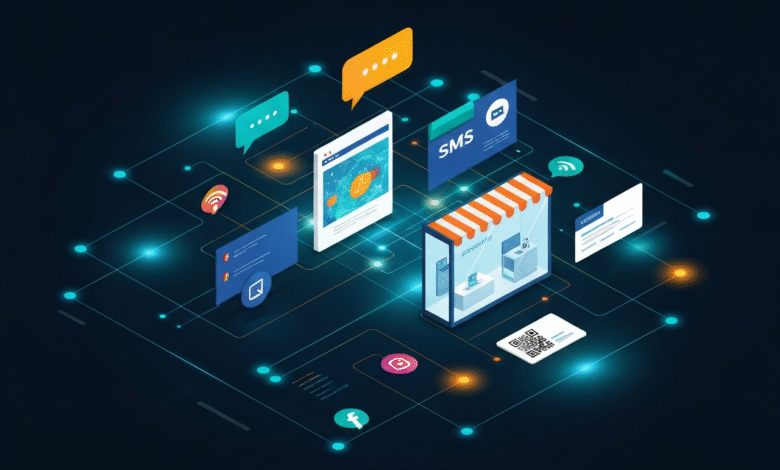
The landscape of customer engagement has fundamentally transformed, moving beyond traditional storefronts and phone lines to a complex web of digital and physical touchpoints. Today’s consumers interact with brands through direct messages, SMS alerts, QR codes, and dynamic digital displays, expecting a unified and seamless experience at every turn. Success no longer depends on simply adopting these tools, but on weaving them together into a single, coherent conversation that bridges the gap between online messaging and real-world presence.
Omnichannel engagement represents this integrated approach, creating one continuous experience no matter how or where a customer connects with your brand. Whether they start a chat on your website, get a text notification, or see a social media update, the interaction flows smoothly without repetition or disconnect. This method stands in stark contrast to the frustrating process of repeating information across different departments. Customers perceive your business as one entity, not separate teams, making a unified communication strategy essential.
Digital platforms serve as the glue holding this experience together. Many organizations now rely on Communication Platform as a Service (CPaaS) solutions, which consolidate messaging, voice, and chat into one secure system. This integration breaks down internal silos, letting you engage customers with a single, consistent brand voice.
Connecting digital outreach with physical branding elevates the entire strategy. Imagine a customer receiving an SMS about a limited-time 20% discount. That digital nudge captures their interest. When they later pass your store and see the same offer prominently displayed on a vibrant window sign, the message is reinforced. The digital alert sparked curiosity, while the physical sign prompted action. This relationship also works in reverse. Memorable physical branding, through quality banners, decals, or in-store signage, builds trust. Later, when a digital message arrives, it feels familiar, coming from a brand the customer recognizes and values.
Modern custom signage is far from basic. Advanced print solutions allow for fast, local production of high-quality materials that align with the speed of digital campaigns. This flexibility is transformative. Consistent physical branding, whether through pull-up banners at events, vehicle decals, or straightforward signs, acts as a powerful trust signal, reinforcing your professionalism and legitimacy. For businesses extending digital campaigns into local markets, options like custom corflute sign printing provide a sturdy and budget-friendly way to increase visibility, drive foot traffic, or promote events effectively.
A critical question remains: how can you measure the impact of your physical marketing? Historically, this involved guesswork, but integrated strategies now allow for precise tracking by merging offline and online data. Marketing teams can monitor performance across both spheres using analytics from CPaaS platforms, such as SMS open rates and chat interactions, alongside metrics from physical assets. For example, a QR code on a corflute sign can do more than link to a website. It might trigger an automated text response, enroll someone in a VIP program, or start a chatbot conversation. Suddenly, an “offline” sign generates real-time, measurable digital engagement, revealing which locations and designs deliver the best results.
Looking ahead, this convergence will grow even more intelligent. The lines between digital and physical channels are not just blurring, they are disappearing. Envision AI-driven interactions that function beyond apps, such as automated SMS campaigns activated when a customer nears your store using location-based technology. Or consider tailored printed calls-to-action at events that connect directly to personalized follow-up messages. The future isn’t about choosing one channel over another. It’s about building a responsive, interconnected ecosystem. For companies, the message is clear: siloed thinking must end. Embracing a fully integrated communication strategy is essential to crafting a cohesive and memorable brand experience at every possible touchpoint.
(Source: ITWire Australia)