Figma’s New AI App Combines Multiple Models & Tools
▼ Summary
– Figma has acquired Weavy, a creative platform that integrates AI models and editing tools into a single canvas, now rebranded as “Figma Weave.”
– The acquisition adds image and video editing capabilities to Figma’s design ecosystem, enhancing its offerings.
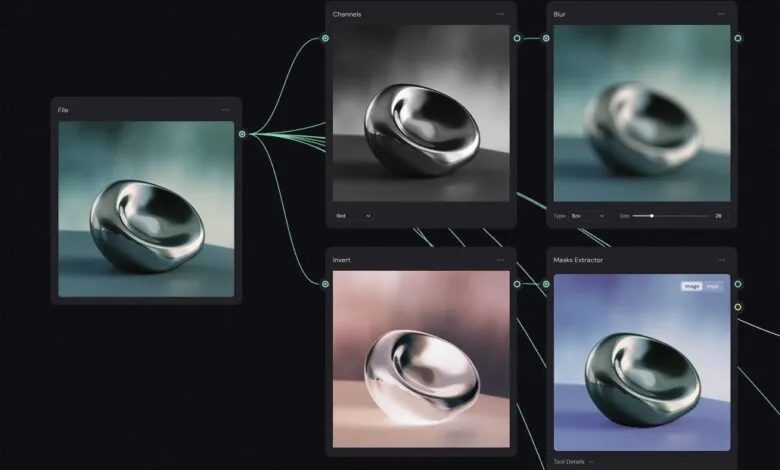
– Weavy uses a node-based approach to give creators more control over AI-generated content by allowing multiple steps and tools in one workflow.
– Users can create branches to edit projects with various tools without switching apps or compare results from multiple AI models simultaneously.
– Figma emphasizes that combining human creativity with AI generation enables greater expression and unique outcomes beyond simple prompts.
Figma’s recent acquisition of Weavy marks a significant expansion of its creative toolkit, integrating advanced AI capabilities directly into its design environment. This strategic move introduces Figma Weave, a powerful new platform that merges multiple AI models and editing tools within a unified workspace. Designers can now access image and video editing functionalities alongside Figma’s existing features, creating a more cohesive and efficient workflow for digital content creation.
The platform operates through a node-based system that offers creators unprecedented control over AI-generated outputs. Rather than relying on repetitive prompts within isolated applications, users can construct intricate branching workflows. These sequences allow for multi-step processes where a project can be modified using various tools without switching between different software. Additionally, creators can simultaneously process instructions through multiple AI models, enabling direct comparison of results to identify the most effective output for their specific needs.
Figma’s vision emphasizes the collaborative potential between human creativity and artificial intelligence. Company representatives describe AI-generated content as “a new medium to mold,” suggesting that the fusion of human artistic direction with AI capabilities fosters greater creative expression and distinctive visual perspectives. They argue that achieving standout results requires moving beyond basic prompt engineering to explore the full potential of AI-assisted design, where human judgment guides and refines the technology’s contributions to produce exceptional work.
(Source: The Verge)