San Francisco Aims to Be Emerging Tech’s Testbed
▼ Summary
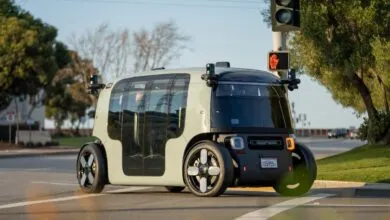
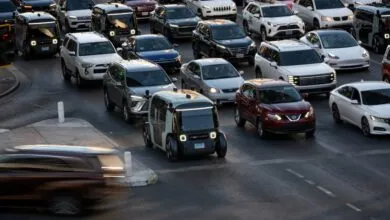
– Waymo and Zoox robotaxis are already operating in San Francisco, with Uber planning to enter the market through partnerships with Lucid and Nuro.
– San Francisco Mayor Daniel Lurie supports the city being a testbed for emerging technology like autonomous vehicles and AI.
– Lurie emphasized that safety is a priority and noted that autonomous vehicles are regulated by the California DMV and CPUC.
– While San Francisco welcomes AVs, other cities like Boston have considered bans, and the Teamsters Union has lobbied against self-driving trucks.
– The mayor believes in embracing technology to bring money and jobs to the city, stating that the future starts in San Francisco.
San Francisco is actively positioning itself as the nation’s leading testing ground for emerging technologies, with Mayor Daniel Lurie championing the city’s role as a hub for autonomous vehicle development and artificial intelligence innovation. The city’s streets already serve as a proving ground for Waymo and Zoox robotaxis, with Uber preparing to join the landscape through strategic partnerships with Lucid and Nuro. This technological influx aligns perfectly with the mayor’s vision for San Francisco’s economic future.
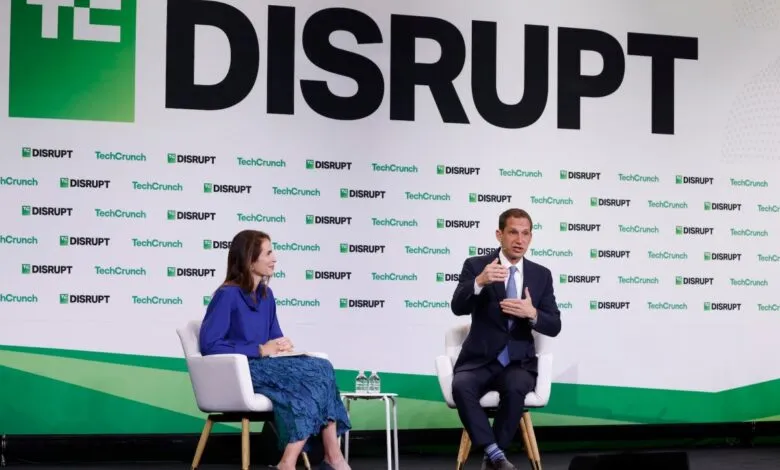
Mayor Daniel Lurie emphasized this commitment during his appearance at TechCrunch Disrupt, stating the city should embrace its historical role as an early adopter. “We always have been, and under my leadership, we will continue to lead and lean in,” he declared, expressing particular pride in Waymo’s achievements within the Bay Area. He extended an open invitation to other companies, reinforcing that San Francisco welcomes technological pioneers.
Despite this enthusiastic embrace, Lurie was careful to note that safety remains the paramount concern. He clarified that autonomous vehicle regulation falls under state jurisdiction, with the California Department of Motor Vehicles overseeing testing and deployment. Companies aiming to operate commercial robotaxi services must also secure permits from the California Public Utilities Commission, adding a layer of oversight.
This welcoming stance contrasts with approaches taken by other metropolitan areas. Boston, for example, has previously considered implementing a citywide ban on autonomous vehicles. Lurie pointed to Waymo’s safety record as validation for San Francisco’s strategy, mentioning that the driverless cars have even become a tourist attraction. He expressed hope that services would soon expand to include airport routes, providing seamless transportation for visitors arriving in the city.
Opposition does exist, however. The Teamsters Union has actively lobbied for restrictions on self-driving trucks, citing concerns over potential job displacement for drivers. This highlights the ongoing tension between technological progress and workforce protection.
Nevertheless, Mayor Lurie maintains an optimistic outlook. He views technology as a powerful engine for economic growth, capable of generating significant investment and employment opportunities for San Francisco residents. His administration’s philosophy is clear: “We believe in the future,” Lurie asserted. “The future starts always in San Francisco, and we’re going to lean into it.”
(Source: TechCrunch)