Evolve Your Strategy for AI-Driven Discovery

▼ Summary
– The internet has evolved from being poorly understood to essential, with AI now being taken seriously as a transformative force in daily life.
– Core SEO principles like optimized sites, structured data, and valuable content remain crucial despite technological changes and the rise of AI agents.
– The web is splitting into human and agentic audiences, requiring SEOs to optimize for both to ensure discoverability and engagement.
– Success metrics are shifting beyond traditional SERPs to include AI-focused visibility tools, while technical SEO and brand marketing fundamentals stay relevant.
– During this period of rapid change, avoid short-term tactics and focus on proven strategies, as platforms will mature and close loopholes like in past algorithm updates.
The digital world has transformed dramatically since search engine optimization first emerged alongside early internet browsers. The internet has shifted from a niche curiosity to an indispensable global utility, fundamentally altering how we access information and conduct business. A look back at conversations from three decades ago reveals how unfamiliar concepts like the web once seemed, whereas today’s discussions about artificial intelligence carry a weight of serious consideration, and sometimes apprehension, about its growing role in our daily existence.
This evolution stems less from our own skill development and more from the rapid advancement of the technologies and platforms we use. The accelerating pace of innovation creates legitimate concerns about whether established technical abilities remain relevant within today’s search environment. Many professionals feel caught in a constant cycle of learning new systems and experimenting with emerging tools, struggling to determine where to focus their energy as the digital landscape undergoes significant transformation.
Industry leaders from major search platforms consistently emphasize that core SEO principles continue to form the foundation of effective digital strategy. The fundamental requirements remain creating technically sound websites, implementing structured data correctly, building brand authority, and delivering genuinely valuable content. The challenge emerges when content creation seems directed more toward automated systems than human visitors, raising questions about the ultimate purpose and impact of our work.
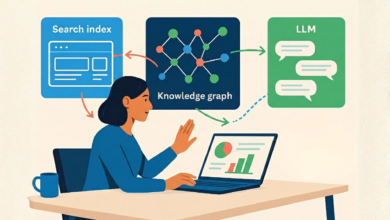
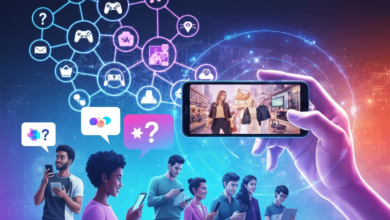
We’re witnessing the emergence of two parallel webs, one designed for human interaction and another optimized for AI agents. This division means digital strategies must account for both audiences simultaneously. Consider how AI now facilitates ecommerce transactions through systems like ChatGPT’s purchasing feature, which utilizes open-source technology already integrated into platforms like Shopify. Both human and automated systems require thoughtful optimization to ensure maximum visibility, though their specific needs may differ.
During periods of technological transition, some inevitably promote questionable shortcuts promising instant results. The current environment bears resemblance to earlier search algorithm eras before major updates addressed manipulation techniques. As AI systems mature, they’ll increasingly distinguish between authentic content and attempts to game the system, much like previous algorithm evolution closed loopholes that allowed black hat practices.
The methods for achieving success may evolve, but the underlying principles remain consistent. Technical SEO fundamentals persist regardless of whether large language models are involved. Brand building continues to matter greatly, with concepts like brand sentiment becoming more explicitly important rather than representing entirely new considerations. What does change are the specific metrics we track, as traditional indicators have lost some relevance while new measurement approaches continue to develop.
Success measurement now extends beyond search engine results pages to encompass overall visibility across multiple channels. New analytical tools provide insights into how AI systems interpret brand presence, while technical professionals can leverage protocols that enable natural language interactions with data systems. These developments allow for more sophisticated reporting that combines multiple data sources into comprehensive visualizations for stakeholders.
Despite the growing distinction between human and automated experiences, the optimization approaches for both share significant common ground. The strategic mindset that successfully navigated previous shifts, such as the transition to mobile dominance, applies equally to current changes. By maintaining focus on fundamental principles while adapting to new technological realities, digital strategies can effectively serve both human audiences and AI systems simultaneously.
(Source: Search Engine Journal)