ChatGPT Data Leak Risk: One Poisoned File Exposes Secrets
▼ Summary
– Generative AI models like ChatGPT can integrate with personal data sources (e.g., Gmail, GitHub) but are vulnerable to abuse through poisoned documents.
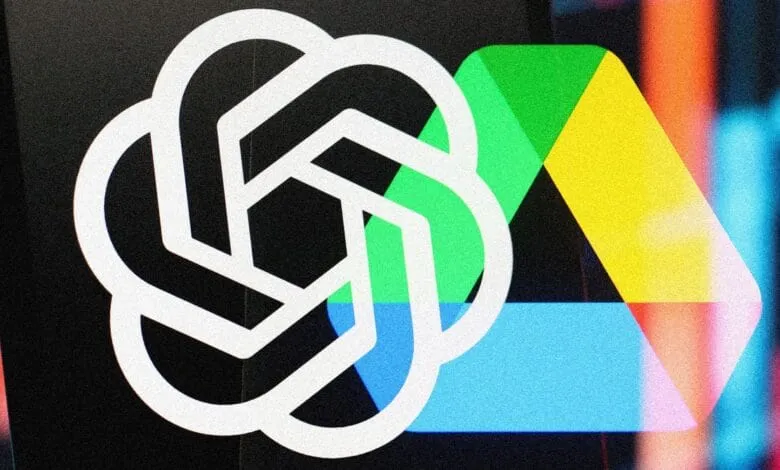
– Researchers demonstrated a vulnerability in OpenAI’s Connectors, allowing sensitive data like API keys to be extracted from Google Drive via indirect prompt injection attacks.
– Connecting AI models to external systems expands the attack surface, increasing risks of data breaches and vulnerabilities.
– The attack, called AgentFlayer, requires no user interaction (zero-click) and can compromise data simply by sharing a malicious document via email.
– OpenAI introduced mitigations after being alerted, but the incident underscores the need for stronger protections against prompt injection attacks.
Modern AI tools like ChatGPT offer powerful productivity benefits, but new research reveals alarming security risks when these systems connect to personal data. A recently uncovered vulnerability demonstrates how a single manipulated document could expose sensitive information through indirect prompt injection attacks, raising serious concerns about AI integration with cloud services.
Security experts Michael Bargury and Tamir Ishay Sharbat unveiled their findings at the Black Hat conference, detailing how OpenAI’s Connectors feature could be exploited to extract confidential data from linked accounts. In a proof-of-concept attack named AgentFlayer, they successfully retrieved API keys stored in a Google Drive account without requiring any user interaction, just access to an email address and a shared document.
This flaw underscores the expanding attack surface created by AI integrations. As businesses and individuals increasingly rely on AI assistants to manage emails, code repositories, and calendars, even minor vulnerabilities can lead to significant breaches. Bargury, CTO of security firm Zenity, emphasized the severity of the issue, noting that victims don’t need to click anything or take any action for their data to be compromised.
OpenAI has since implemented mitigations to block the specific method used in the demonstration, though broader risks remain. The company’s Connectors feature, still in beta, supports integrations with over 17 platforms, promising seamless access to files and live data within ChatGPT. However, the incident highlights the challenges of securing AI systems against increasingly sophisticated exploits.
Google’s Andy Wen, senior director of security product management, acknowledged the broader implications of such attacks, stressing the need for stronger safeguards against prompt injection techniques. While the vulnerability wasn’t exclusive to Google Drive, the company has reinforced its AI security protocols in response to evolving threats.
The discovery serves as a critical reminder for organizations to evaluate AI integrations carefully, balancing convenience against potential exposure. As AI assistants become deeply embedded in workflows, ensuring robust defenses against data exfiltration will be essential to maintaining trust in these transformative technologies.
(Source: Wired)