Microsoft’s AI-Powered Windows 11 Promos Fall Flat
▼ Summary
– Microsoft is using AI-generated images, created by its Copilot tool, to illustrate feature tutorials in its Windows Learning Center blog posts.
– The company explicitly labels these images with an “AI Art Created via Copilot” tag, which is seen as promotional for its AI product.
– This decision is controversial as it occurs amidst significant user backlash against Windows 11’s aggressive AI integration and Microsoft’s declining reputation.
– Critics argue the AI images, which can be inaccurate or “hallucinate” features, undermine the tutorials and favor AI over human creativity.
– The article suggests Microsoft should promote human creativity and improve Windows for creators to rebuild consumer trust, similar to Apple’s strategy.
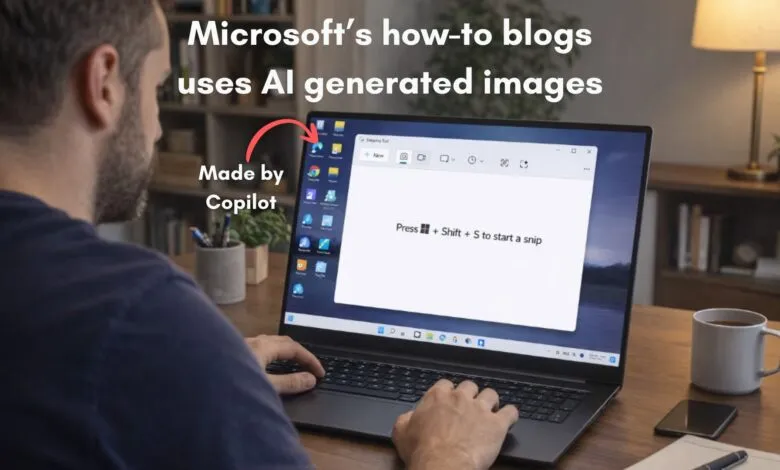
With a market valuation reaching into the trillions, Microsoft certainly possesses the resources to craft high-quality promotional content. Yet, the company’s recent decision to populate its official Windows 11 tutorial blogs with AI-generated imagery has sparked significant criticism. This move comes at a sensitive time, with many users expressing frustration over the operating system’s aggressive integration of artificial intelligence features. Instead of employing traditional photography, Microsoft has used its Copilot tool to create illustrations of people using various Windows features, complete with a conspicuous “AI Art Created via Copilot” caption.
This practice is evident across numerous posts in the Windows Learning Center, a dedicated support hub. While the primary header images may not be AI-produced, scrolling through any recent article reveals synthetic visuals. These images depict AI-conceived humans interacting with features like the Widgets board, presenting a version of the interface that often doesn’t match the user’s actual experience. The disconnect between these idealized AI visuals and the real-world software can confuse and frustrate users trying to follow along with the guides.
For a corporation of Microsoft’s stature, the choice to use obviously synthetic promotional art seems puzzling. It is widely interpreted as a not-so-subtle advertisement for the Copilot system itself. This strategy is backfiring, however, as public sentiment toward the company’s AI initiatives has grown notably negative. Social media platforms are rife with complaints, and the derogatory nickname “Microslop” has gained traction. In this climate, flaunting more AI-generated content only reinforces the perception that Microsoft is prioritizing its AI agenda over genuine user experience and human creativity.
The backlash extends beyond mere aesthetics. There is a growing sense that Microsoft is losing its connection with the creative professionals and everyday users who form its core audience. Comparisons are frequently drawn to Apple, which has successfully cultivated a reputation for empowering human creativity through tools like iMovie, offered free on macOS. In contrast, Microsoft’s creative software, such as Clipchamp, often locks features behind a paywall. Furthermore, the intrusive placement of Copilot buttons in fundamental apps like Notepad and Paint is seen as undermining the user’s own capabilities.
The recent launch of devices like the MacBook Neo, despite its own controversies, highlights a shifting competitive landscape. It pressures PC manufacturers to improve hardware design, but the operating system remains a critical choice for consumers. To win them back, Microsoft must shift its focus from artificial intelligence to amplifying human potential. This means refining Windows 11 to be a genuinely superior platform for creators and regular users alike, stripping away unnecessary AI gimmicks, and championing tools that enhance rather than question human skill. The path to rebuilding its reputation lies not in more synthetic promotion, but in a renewed commitment to the people using its products.
(Source: Windows Latest)