The Real Shift in Social Media (It’s Not New Platforms)
▼ Summary
– Trust in major platforms is eroding due to inconsistent moderation, algorithm shifts, and misinformation, with many users skeptical of the information they see.
– The core problem is the attention-driven, algorithmically mediated business model of social media, not a lack of new platforms promising fixes.
– Social interaction is fragmenting into diverse “surfaces” like TikTok, Reddit, and YouTube, which are becoming key for news, discovery, and purchase validation.
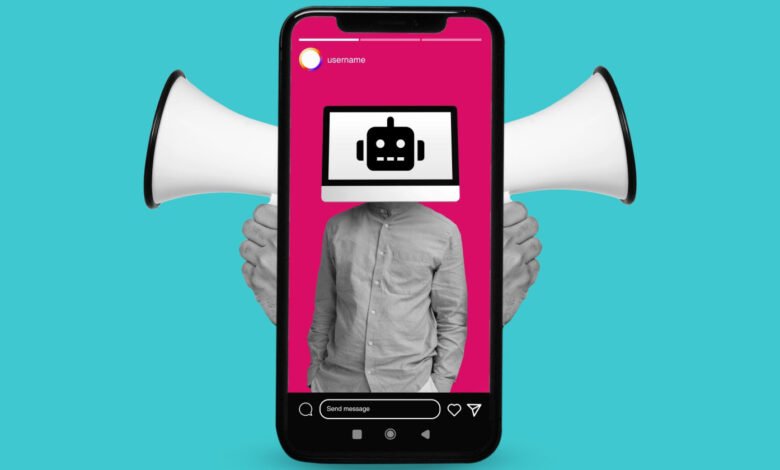
– AI is emerging as a new social layer, summarizing conversations and curating feeds, which risks losing nuance and divergent perspectives.
– The future will involve purpose-built niche networks, AI-mediated experiences, and social interactions embedded in tools like search and maps, requiring marketers to prioritize credibility and meaningful engagement over mere reach.
The landscape of social media is undergoing a profound transformation, but the real change isn’t about the latest app. The fundamental shift is moving from centralized platforms to fragmented, AI-mediated social experiences integrated across the digital world. User trust is declining, organic reach is unpredictable, and the constant demand for content has created fatigue for both audiences and brands. While new platforms emerge with familiar promises, they often replicate the same attention-driven, ad-based models. The future will be shaped by how people genuinely connect and seek information, not by which single platform they use.
Signs of strain in the current model are everywhere. Users scroll faster, attention spans are thinner, and comment sections often feel either empty or hostile. For businesses, the frustration is palpable. Vanity metrics like views and likes rarely connect to real outcomes such as leads or sales, creating a cycle of posting and boosting without clear answers. Creators and marketing teams are stuck in a relentless churn, producing constant content for audiences who feel overwhelmed. Perhaps most critically, trust has eroded. Many users are skeptical of what they see, perceiving platform moderation as inconsistent and algorithms as opaque. When nearly half of adults often distrust social media information, the foundational relationship is damaged.
New platforms frequently appear, pledging to fix these exact problems with chronological feeds, fewer ads, and healthier discourse. However, history shows these promises are difficult to keep at scale. The economic necessity of monetization typically reintroduces ads and incentives that prioritize engagement over quality. This doesn’t mean niche platforms won’t succeed, but claims of solving social media’s core issues are usually overstated. The underlying economic pressures tend to recreate the very challenges new entrants vow to eliminate.
The authentic evolution is a move from social platforms to social surfaces. Interaction and discovery now happen far beyond traditional feeds. People get news from TikTok, seek authentic recommendations in Reddit communities or Discord servers, and use YouTube as a primary source for product research. Social media has become a critical forum for decision-making, where people seek validation before a purchase. This fragmentation means social behavior is embedded across the internet, a trend even recognized by search engines beginning to incorporate social signals into their analytics.
Artificial intelligence is emerging as a new social layer, fundamentally altering how we consume information. AI tools are starting to summarize conversations, highlight key themes, and present synthesized versions of public discourse. This offers efficiency, saving users from sifting through thousands of comments. Yet, it also carries risk. Nuance can be lost, and unpopular or divergent perspectives may be buried when an algorithm decides what matters most. AI will increasingly interpret social signals, dictate what information surfaces, and amplify certain voices over others.
Looking ahead, social media in three to five years may operate through several key scenarios. We could see a rise in fragmented, purpose-built networks for specific behaviors like local discovery or professional learning, coexisting with major platforms. Another path is AI-mediated social experiences, where feeds prioritize summaries and recommendations tailored to individual interests, minimizing manual scrolling. Finally, we might encounter social interaction without a dedicated social app, where conversations and validation happen directly within search engines, maps, or commerce tools as people make decisions.
For marketers, this demands a complete mindset shift. Chasing the next viral platform is a losing strategy. Success will belong to those who adapt to changing consumer behavior. This means prioritizing relevant, credible content over sheer reach, investing in trust signals like authentic community engagement, and measuring impact through consideration and action, not just impressions. The goal is to foster a participation mentality, joining conversations where they naturally occur.
Ultimately, social media is being rewritten by user behavior, not by new apps. The next era is defined by integration, fragmentation, and AI intermediation. Brands that win will be those that understand how and why people connect, earn trust in the moments that matter, and recognize that influence now happens across a vast, interconnected digital ecosystem. The transformation is already underway, quietly reshaping every click, search, and online interaction.
(Source: Search Engine Journal)