Spotify’s AI Playlists Expand to the UK and Beyond
▼ Summary
– Spotify is rolling out its AI-powered “Prompted Playlists” feature to Premium subscribers in the U.K., Ireland, Australia, and Sweden, following earlier launches in New Zealand, the U.S., and Canada.
– The feature allows users to create custom playlists by typing a descriptive text prompt about a mood, activity, or inspiration, rather than searching for specific songs or artists.
– The AI generates the playlist based on the prompt, the user’s listening history, and current trends, and provides a short explanation for each song’s inclusion.
– Users can refine their playlists by editing the prompt, schedule them to refresh automatically, and are currently subject to usage limits as the feature is in beta.
– This is part of a broader expansion of AI features at Spotify, which includes tools for audiobooks and lyrics, and the company is also venturing into physical book sales through its app.
Spotify’s AI Playlist feature is now reaching more listeners across the globe. The streaming service has announced a significant expansion, bringing its innovative Prompted Playlists tool to Premium subscribers in the United Kingdom, Ireland, Australia, and Sweden. This follows initial tests in New Zealand and a subsequent launch in the United States and Canada.
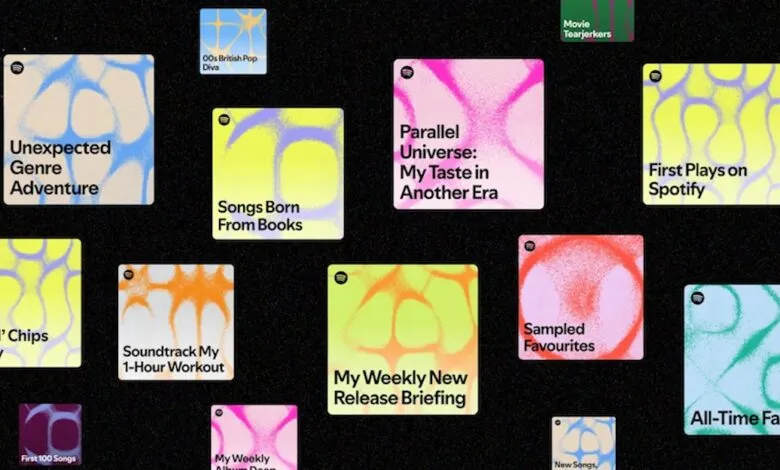
This feature fundamentally changes how users create music collections. Instead of manually searching for songs or artists, you can simply describe what you want to hear. By tapping “Create” and selecting “Prompted Playlist,” you enter a text prompt in English detailing your desired vibe, scenario, or inspiration. The AI interprets a wide range of themes, from specific moods and aesthetics to personal memories or cultural references.
Your request can be incredibly broad or highly detailed. You might ask for a playlist based on a musical era, a particular activity, certain instruments, or even lyrics. Feel free to request a soundtrack for a TV show, a movie, or to celebrate a personal milestone. You can also guide the AI to focus on new discoveries or stick to tracks already in your personal library.
Once you submit your idea, Spotify’s system gets to work. It generates a customized playlist by analyzing your prompt, considering your personal listening history, and incorporating current musical and cultural trends. A unique touch is that each song includes a short explanation for why it was chosen, adding context to your listening experience.
The creation process is flexible. If the first result isn’t quite right, you can refine the playlist by editing your original prompt or starting fresh from scratch. For listeners who crave constant novelty, there’s an option to schedule playlists to automatically refresh on a daily or weekly basis, ensuring the music stays aligned with your evolving tastes.
As a beta feature, Spotify notes that usage limits are currently in place, with some users reporting caps after about 20 to 30 prompts. The company also expects to make adjustments based on subscriber feedback as the rollout continues.
This launch is part of a broader push by Spotify to integrate artificial intelligence across its platform. Other recent AI-driven features include Page Match, which lets you scan a physical book page to jump to the corresponding section in an audiobook, and enhanced “About This Song” insights. The platform has also updated its lyrics feature to provide global translations and offline access.
Beyond consumer features, AI is transforming Spotify’s internal operations. Company co-CEO Gustav Söderström remarked recently that some of Spotify’s top developers haven’t written a line of code since December, relying instead on AI tools within their workflows.
Spotify continues to diversify its offerings beyond music streaming. A recent partnership with SeatGeek now helps listeners easily find ticket links for concerts directly from an artist’s profile page. Furthermore, the company is expanding its audiobook business in a new direction: soon, users in the U.S. and U.K. will be able to purchase physical books directly through the Spotify app.
(Source: TechCrunch)