ChatGPT Now Includes Advertising
▼ Summary
– OpenAI is beginning to test ads for users on its free and low-cost Go subscription tiers in the U.S., but not for its paid plans.
– The company states ads will not influence ChatGPT’s answers, will be clearly labeled, and that user conversations remain private from advertisers.
– Rival Anthropic mocked the move in Super Bowl ads, portraying disruptive, poorly integrated ads, which OpenAI’s CEO called “dishonest.”
– OpenAI aims to use ad revenue to support broader access to its features while covering the high costs of developing its technology.
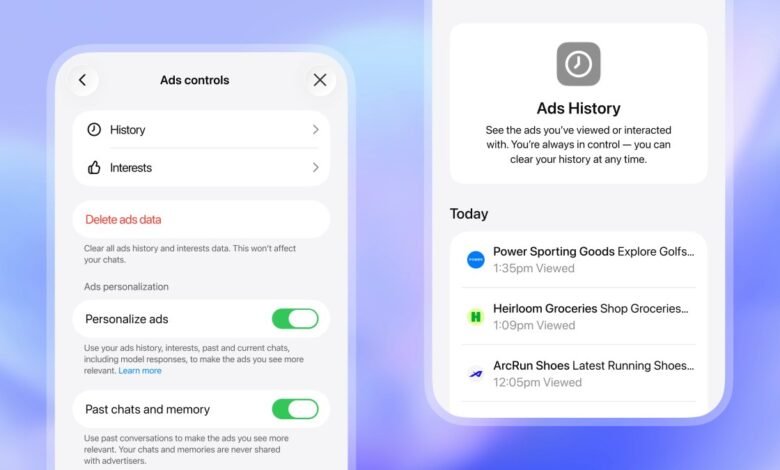
– Ads will be targeted based on conversation topics and user history, but with controls allowing users to dismiss ads, manage settings, and clear their ad interaction history.
OpenAI has initiated a trial for displaying advertisements within its ChatGPT platform, specifically targeting users on the Free and newer, low-cost Go subscription tiers in the United States. This strategic shift aims to generate revenue to support broader access to advanced features, while the company assures that paid subscribers across Plus, Pro, Business, Enterprise, and Education plans will not encounter any advertising. In a detailed blog post, OpenAI emphasized its commitment to user trust, stating that advertisements will not sway ChatGPT’s responses and that conversation privacy will be maintained, keeping individual chats separate from advertiser access.
The introduction of ads has not been without controversy, drawing pointed criticism from competitors. During the recent Super Bowl, rival AI firm Anthropic aired commercials satirizing the concept of poorly integrated ads in AI chatbots. The ads featured actors portraying glitchy digital assistants delivering advice alongside irrelevant promotions. OpenAI’s CEO, Sam Altman, responded sharply to these jabs, labeling the campaign as “dishonest” and criticizing Anthropic’s corporate culture.
This move follows a notable user backlash late last year when OpenAI experimented with app suggestions that many perceived as intrusive ads. Despite this resistance, the financial imperative is clear: the company must monetize its immensely popular service to fund ongoing technological development and operational expansion. Critics remain concerned about potential bias, but OpenAI firmly denies that ads will influence answer generation, asserting that sponsored content will be optimized for user helpfulness.
In practice, advertisements will be clearly marked as sponsored and kept distinct from organic chat responses. The system will attempt to match ads to users based on conversation topics, chat history, and prior interactions with ads, for example, someone discussing recipes might see promotions for grocery delivery. Importantly, advertisers will only receive aggregated performance data, such as view and click counts, not individual user information.
Users retain significant control over their advertising experience. They can review a history of ad interactions and clear it, dismiss specific ads, provide feedback, see explanations for why an ad was shown, and adjust personalization settings. As a protective measure, ads will not be displayed to minors under 18 or placed near sensitive subjects including health, politics, and mental wellness.
(Source: TechCrunch)