Physical AI: The Next Tech Frontier Is Already Here
▼ Summary
– Physical AI is a new frontier of technology where AI is implemented in hardware to perceive, reason, and act autonomously in the real world.
– It is distinct from earlier robotics due to its advanced reasoning capabilities, with examples ranging from humanoid robots to everyday smartglasses.
– A key challenge for developing physical AI is the lack of real-world training data, which companies are addressing through synthetic simulations and new hardware stacks.
– Wearable devices like smart glasses can create a symbiotic data relationship by collecting real-life physical data to train and improve other AI systems, such as robots.
– For this data-sharing ecosystem to work, the information from wearables must be anonymized and kept at the highest level of privacy to address user concerns.
The next major leap in artificial intelligence isn’t just about smarter chatbots; it’s about machines that can move, see, and interact with our physical environment. This emerging field, known as physical AI, represents a fundamental shift from software confined to screens to intelligent systems embedded in hardware that can perceive, reason, and act in the real world. While concepts like self-driving cars are familiar, the core innovation lies in a machine’s ability to understand context and make intuitive decisions, much like a human would.
At its heart, physical AI involves artificial intelligence implemented in hardware that can perceive its surroundings, reason through situations, and then perform or orchestrate physical actions. The critical distinction from earlier robotics is the advanced capacity for reasoning and contextual interaction. As one industry leader explains, it’s about creating a “brain” that works within a specific context to take actions a person would take. A humanoid robot, for example, wouldn’t just move a box on command; it would assess the environment, identify the object, and determine the safest, most efficient way to complete the task.
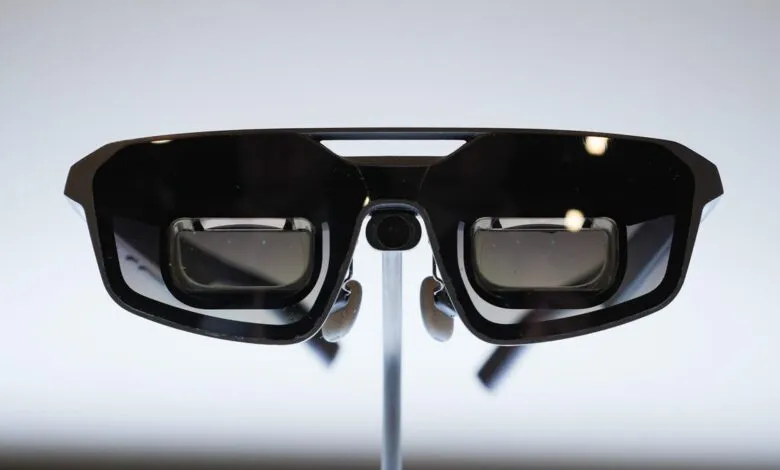
You might already be using a prime example of this technology without realizing it. Smartglasses are currently one of the best representations of physical AI already in consumer hands. These devices are present in your physical world, seeing what you see and hearing what you hear. They act as an intelligent layer over your daily experiences, augmenting your capabilities by providing real-time information and assistance based on your immediate context.
This technology creates a fascinating symbiotic relationship between different types of intelligent devices. While advanced robots may handle tasks that are too tedious or dangerous for people, wearable AI like smart glasses enhances human abilities directly. Furthermore, these wearables could become invaluable data sources for training other physical AI systems. Large language models thrive on vast amounts of internet text, but high-quality data from real-world physical interactions is scarce and expensive to produce synthetically.
The data collected from everyday wearable devices, anonymized and secured with the highest privacy standards, could provide a rich, authentic dataset drawn from genuine human experiences. This information, capturing how people naturally perceive and interact with their environment, could train robots to operate more intuitively and safely. In turn, robots performing tasks generate new data, fostering a continuous cycle of improvement and creating a healthier, more capable AI ecosystem. This sharing of contextual intelligence between personal devices and larger robotic systems is where the true, transformative benefit lies for users.
(Source: ZDNET)