AI PC Sales Slump Leaves Microsoft Partners Scrambling
▼ Summary
– Dell executives are disappointed by consumer response to AI PCs, noting that AI features have not driven the expected demand and may be confusing customers.
– Microsoft’s CEO, Satya Nadella, has taken a direct role in managing Copilot’s development due to its perceived lag behind competitors like Google’s Gemini.
– Microsoft’s strategy of releasing unfinished products and iterating slowly risks damaging its reputation as negative first impressions spread.
– The real revenue for Microsoft comes from enterprise customers, but even they may resist paying for Copilot if the benefits are unclear.
– While new PCs will technically be “AI PCs” with specialized processors, PC makers must currently sell them based on traditional features until AI applications mature.
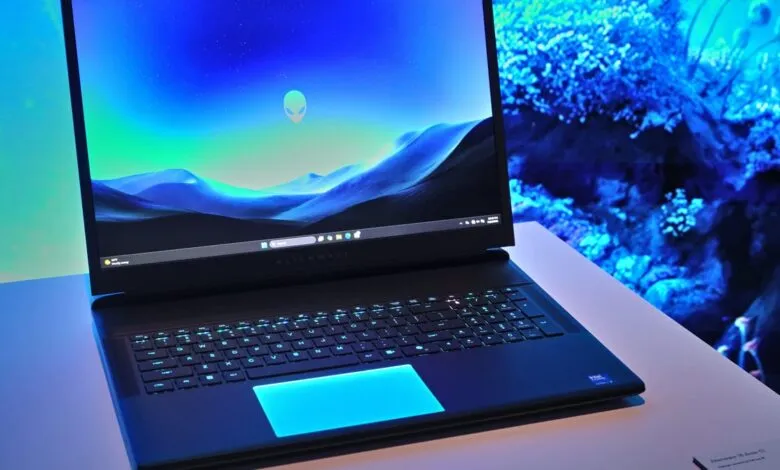
The initial excitement surrounding AI-powered PCs has hit a significant roadblock, with major manufacturers reporting disappointing sales and consumer confusion. This slump is forcing a strategic rethink across the industry, particularly for Microsoft, which has heavily staked its Windows future on its Copilot AI assistant. Despite a wave of new hardware designed specifically for artificial intelligence tasks, customers simply aren’t convinced that these features justify an upgrade, leaving partners like Dell to recalibrate their marketing away from an “AI-first” message.
During recent briefings, Dell’s top executives expressed clear disappointment with the market’s response to AI PCs. Jeff Clarke, the company’s Vice Chairman, pointed to the “unmet promise of AI,” noting that anticipated consumer demand failed to materialize over the past year. Kevin Terwilliger, Dell’s head of product, was even more direct, stating that from a consumer perspective, “they’re not buying based on AI.” He suggested that for many, the technology creates more confusion than clarity about what tangible benefits a new computer actually provides. While not naming Microsoft directly, the comments clearly reference the ecosystem built around Copilot, which has struggled to demonstrate compelling advantages for everyday users over established AI tools like ChatGPT or Google’s Gemini.
This tepid reception presents a serious challenge for Microsoft CEO Satya Nadella. Reports indicate he has taken a deeply hands-on role, effectively becoming the company’s “most influential product manager” in an effort to improve Copilot. He is said to be acutely aware that the consumer version lags behind rivals and has personally intervened, sending detailed feedback about bugs and shortcomings directly to product teams. This level of micromanagement from the CEO underscores the strategic importance of getting AI right, especially after Microsoft missed previous platform shifts to mobile and tablets.
The core issue appears to be a product that feels unfinished to users, a recurring problem for the software giant. Microsoft has a history of releasing products that require extensive iteration, a strategy that can backfire in a fast-moving market. When consumers encounter a buggy or underwhelming initial experience, that negative first impression spreads quickly through word-of-mouth, damaging the brand’s reputation even if improvements are made later. Furthermore, Microsoft’s primary revenue driver is its enterprise business, where IT departments purchase licenses in bulk. If the value proposition for Copilot remains unclear, convincing those corporate customers to pay an additional monthly fee per user becomes a steep uphill battle.
Despite the current slowdown, the hardware foundation for AI computing is rapidly becoming standard. Nearly all new PCs from major manufacturers now include specialized neural processing units from Intel, AMD, or Qualcomm. This means that technically, every new PC is an AI PC, offering a form of future-proofing for buyers who may benefit from more advanced software in the coming years. For now, however, without killer AI applications that truly leverage this hardware, PC makers must fall back on traditional selling points like performance, design, and battery life. The promise of an AI-driven “agentic OS” remains just that, a promise, and until Microsoft delivers a Copilot experience that is genuinely indispensable, the AI PC sales slump is likely to continue.
(Source: ZDNET)