CES 2026’s Most Bizarre Tech Reveals
▼ Summary
– The article highlights several bizarre gadgets from CES 2026, including a $700 hands-free hair dryer/lamp from Dreame and AI-powered smart clippers from Glyde.
– One showcased device, called Mor, is a $300 medical product that uses electrodes on the perineum with the aim of preventing premature ejaculation.
– Other unusual tech includes Razer’s Project Ava, a pod with a holographic anime assistant, and L’Oréal’s creepy, vein-patterned LED face mask for skin treatment.
– The roundup also features high-priced items like Jackery’s $12,000+ solar-powered gazebo and Tomorrow Doesn’t Matter’s $249 headphones that transform into a speaker.
– Additional innovations include a pet-tracking robot called Vex, a smart menstrual pad from Vivoo, and a $399 vibrating chef’s knife from Seattle Ultrasonics.
The annual CES showcase never fails to deliver a mix of groundbreaking innovation and head-scratching oddities. While sleek televisions and foldable phones grab headlines, the true charm often lies in the bizarre gadgets that challenge our expectations of technology. This year’s event was no exception, featuring an array of peculiar inventions that ranged from the curiously practical to the outright bewildering.
Imagine finishing a shower and simply relaxing on your sofa while a device dries your hair. Dreame unveiled a crescent-shaped hair dryer and lamp combo designed to hover over your head, freeing your hands for other activities. The concept is intriguing, though its $700 price tag might give many consumers pause.
In a booth that certainly turned heads, a device called Mor offered a rather intimate technological intervention. It utilizes an adhesive patch with electrodes applied to the perineum, with the stated goal of helping manage premature ejaculation. The starter kit is available now for approximately $300.
The prospect of an AI-guided haircut might make some people nervous. Glyde introduced “smart” clippers that promise mistake-proof styling by automatically adjusting their blades. The process requires wearing a special “fade band” for the clippers to track their position on your head, leaving the final results in the hands of algorithms.
Anime companions made a notable return to the show floor. Razer showcased its Project Ava pod, featuring a holographic display of anime characters named Kira or Zane. These avatars, powered by an AI chatbot, are designed to look at the user via a camera and can even view the computer screen to offer gaming tips through a connected USB-C cable.
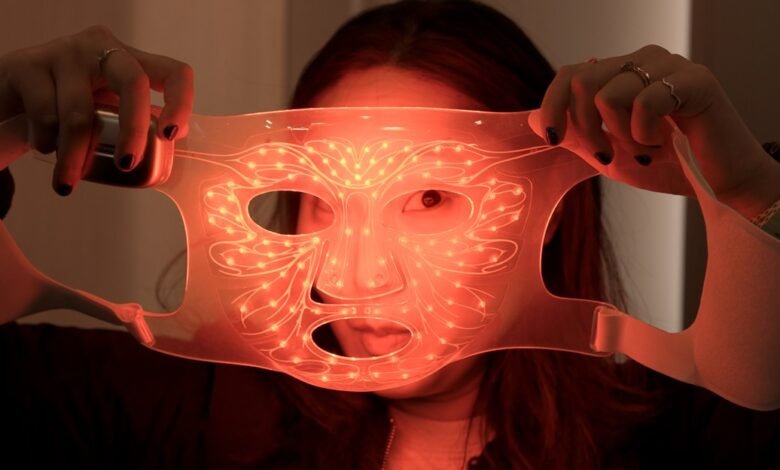
L’Oréal presented a skincare device that looked more suited to a science fiction film. The brand’s flexible LED Face Mask features a silicone design with a vein-like pattern of red lights. It aims to tighten and smooth skin using targeted red and near-infrared light, with a planned launch for 2027.
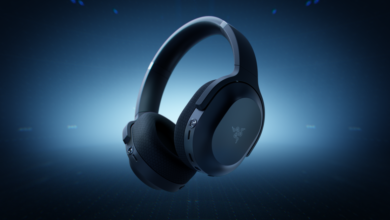
A company called Tomorrow Doesn’t Matter demonstrated a clever piece of transformable audio gear. The Neo headphones can morph into a portable speaker simply by folding in their flexible headband. The device uses separate drivers for each mode and is launching via Kickstarter with a price of $249.
Jackery, known for portable power, revealed a structure that blended solar energy with outdoor living. The solar-powered gazebo integrates 2,000W of solar panels, built-in lighting, a projector screen, and AC outlets. Its unconventional design is matched by a steep expected cost of $12,000 to $15,000, not including battery storage.
Honor provided a glimpse into a possible future for mobile photography. The Robot Phone prototype features a camera on a tiny gimbal that unfolds from the device’s back. Promotional material suggests the camera can move autonomously to track subjects, with more details expected at a later industry event.
For pet owners curious about their furry friends’ daily routines, a small robot named Vex aims to be a playful companion. It is designed to follow cats or dogs around the home, recording video and using AI to edit the footage into shareable stories. Its success, however, hinges on real-world performance that has yet to be fully demonstrated.
The health tech sector saw a novel approach to personal wellness. Vivoo developed a “smart” menstrual pad capable of detecting follicle-stimulating hormone levels, which can provide insights into ovarian reserve and conditions like PCOS. Each pad costs between $4 and $5, with results displayed on the pad itself for scanning via a companion app.
Finally, a high-tech kitchen tool promised to make prep work easier. Seattle Ultrasonics’ $399 chef’s knife uses piezoelectric crystals that vibrate over 30,000 times per second, purportedly reducing cutting effort by half. The knife charges via USB-C or a dedicated $149 wireless charging tile.
(Source: The Verge)