Power Outage Snarls San Francisco Traffic with Stranded Waymo Cars
▼ Summary
– A major power outage in San Francisco affected approximately 130,000 customers and caused Waymo’s autonomous vehicles to become stranded in the streets.
– In contrast, Tesla vehicles using its Full Self-Driving feature reportedly navigated the outage without issue, according to a tweet from Elon Musk.
– Waymo suspended its service for safety and to clear access for emergency personnel, citing the broad outage as the reason.
– The likely cause for the immobilized cars was poor wireless data connectivity or non-functional traffic lights due to the power loss.
– This is a recurring issue for Waymo, as its vehicles sometimes require a connection to remote human assistants to proceed, which can fail during outages.
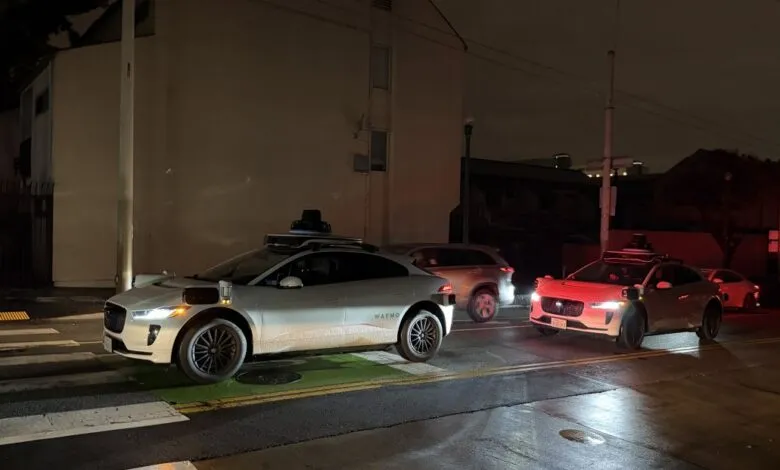
A significant power outage in San Francisco over the weekend created widespread disruption, leaving approximately 130,000 customers without electricity and causing an unexpected side effect: multiple Waymo autonomous vehicles became stranded in city streets. Social media was quickly filled with images and videos showing the company’s distinctive SUVs sitting motionless, contributing to traffic snarls during the blackout. The incident highlighted a potential vulnerability in the infrastructure-dependent nature of some self-driving systems.
The outage, reported by Pacific Gas and Electric Company (PG&E), peaked on Saturday. In a stark contrast, some social media users posted videos of Tesla vehicles reportedly using their Full Self-Driving (FSD) feature to navigate the same affected areas. Tesla CEO Elon Musk commented on the situation, stating on his social media platform that “Tesla Robotaxis were unaffected by the SF power outage.”
Waymo responded to the situation by proactively suspending its ride-hailing service. A company spokesperson explained the decision was made “given the broad power outage in San Francisco,” adding that their focus was on rider safety and ensuring clear access for emergency personnel. While PG&E crews worked to restore power, the exact technical reason the Waymo vehicles halted remains unconfirmed by the company. Public speculation points to two likely culprits: failed or overloaded cellular data networks due to the outage, and non-functional traffic signals which the vehicles’ systems may rely on or interpret cautiously.
This is not the first time such issues have surfaced. Earlier this year, TikTok videos showed Waymo vehicles immobilized by a malfunctioning traffic light in San Francisco. A similar event occurred during a power outage in Austin, Texas. In an online discussion about a past incident, an individual claiming to be a former employee suggested the vehicles are programmed to request guidance from a remote human assistant in uncertain situations and wait for a response before proceeding.
This remote assistance system is a key part of Waymo’s operational safety protocol. According to company documentation, when a vehicle encounters a “unique interaction,” it can connect with a human response agent. This agent receives live camera feeds, recorded footage, and a 3D sensor map to help assess the situation. However, this crucial communication link requires a stable data connection, which can become scarce during major infrastructure failures. The scale of Waymo’s remote assistance workforce at any given time is not public, though the company recently noted it passed a third-party audit of its remote assistance program against industry benchmarks.
(Source: The Verge)