How CreativeOps Prevents AI Content Bottlenecks
▼ Summary
– The rollout of AI tools in creative workflows shifted bottlenecks rather than eliminated them, creating new pressure points like extended reviews and brand corrections.
– AI accelerates existing processes, so unclear workflows, missing guardrails, and lack of shared standards lead to increased rework and inconsistent output.
– Implementing a CreativeOps system with defined roles, mapped workflows, and shared tools is essential to manage AI-scale production and maintain quality.
– Effective AI-ready workflows require standardized briefs, structured multi-layer review systems, and updated brand guidelines with prompt libraries.
– Sustaining performance requires continuous training, measurable metrics, and a supportive tech stack to integrate AI checkpoints and manage increased asset volume.
The widespread adoption of AI tools in content creation promised a new era of speed, but many teams find themselves facing unexpected slowdowns. Instead of eliminating friction, AI has a tendency to magnify existing workflow gaps and create new pressure points. CreativeOps provides the essential framework to stabilize these gaps, turning AI’s potential for increased output into a true competitive advantage rather than a source of constant rework. By establishing strong briefing workflows, reliable review systems, and AI-friendly brand standards, organizations can ensure quality and keep production on track.
While AI changes the nature of creative bottlenecks, it does not alter the fundamental goals. The hope was for smoother operations, but the reality often involves drafts and variations multiplying faster than the processes to manage them. This creates strain on every downstream step, from approvals to brand alignment. AI accelerates what already exists; if your processes lack clarity, AI will only amplify the confusion. Without a structured CreativeOps system, teams waste valuable time reviewing, correcting, and rebuilding work that should have progressed seamlessly.
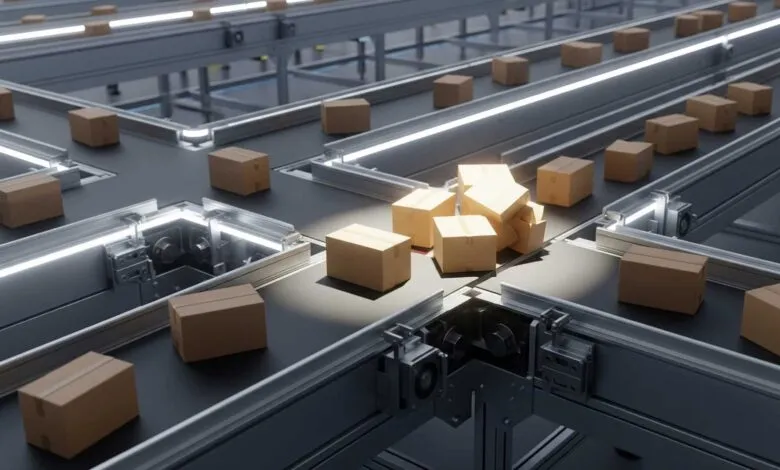
Common bottlenecks in an AI-augmented environment include asset volume overwhelming review capacity, brand drift from inconsistent prompting, longer approval cycles due to fluctuating quality, and extensive rework stemming from unclear initial expectations. Velocity without structure inevitably leads to production debt that slows everything down again.
Building an effective system starts with a clear CreativeOps blueprint. The foundation is clarity of roles and ownership. Define who is responsible for briefing, creating, reviewing, and approving. Consider adding AI-specific roles such as a prompt strategist to maintain consistency in AI instructions and a brand quality reviewer to monitor voice and visual alignment across all outputs. Mapping the entire workflow from intake to publishing is crucial, as AI-driven volume will expose every weak point where projects tend to stall. Using shared project management tools and asset libraries ensures transparency and allows everyone to work from the same playbook.
The creative pipeline is only as strong as its initial brief. Weak briefs create friction at every subsequent stage, and with AI producing drafts rapidly, any gaps multiply instantly. An AI-ready brief must provide clear direction on the audience, core message, brand rules, asset requirements, and approved prompt patterns. A robust, one-page creative brief template reduces correction cycles and dramatically improves the quality of first drafts. Equally important is designing a review system built for scale. A three-layer approach, creator review for accuracy, brand-level review for compliance and tone, and final approval for publishing, creates predictable, efficient checkpoints. Setting maximum review windows and requiring specific, actionable feedback further speeds up this critical phase.
Traditional brand guidelines often fall short for AI workflows. Large language models interpret instructions differently, so guardrails must be adapted. This involves rewriting voice and tone frameworks in direct language, providing clear do/don’t examples, and maintaining terminology lists. Adding a dedicated “For AI Use” section to your brand guidelines is a critical step for maintaining consistency. Complement this with a centralized, version-controlled prompt library. This repository should house pre-approved prompts for various content types and brand voices, giving teams a reliable starting point and minimizing guesswork that leads to off-brand output.
Technology is the backbone that supports these processes. As AI increases output, an outdated tech stack becomes a major bottleneck. The right CreativeOps tools provide the necessary structure and visibility. This includes project management software for tracking, digital asset management for storage, and annotation tools for clear feedback. Integrating AI checkpoints directly into the workflow for tasks like draft creation, concept variation, and initial QA checks ensures these supports run consistently and effectively. Approval structures also need modernization, with clear rules, tiered asset categories, and fast-track lanes for low-risk content to prevent logjams.
Sustaining performance requires continuous effort. AI models and brand expectations evolve, so training cannot be a one-time event. Teams need ongoing education on writing effective prompts, reviewing AI output for risks, and using CreativeOps tools. Measurement is equally vital; you cannot improve what you do not track. Key metrics to monitor include the time from brief to approved asset, the number of review rounds, the percentage of assets returned for rework, and brand consistency scores. Building monthly scorecards for these metrics provides the data needed to identify slowdowns and opportunities for improvement.
Ultimately, AI accelerates production, but CreativeOps determines whether that acceleration leads to success or chaos. Organizations that invest in building strong workflows, clear guardrails, and predictable approval paths will be positioned to stay ahead. The journey begins with small, deliberate steps: auditing a single workflow, rewriting one brief template, or updating a section of brand guidelines. Each improvement strengthens the system, moving the team closer to the AI-ready execution that defines modern creative excellence.
(Source: MarTech)