OpenAI Simplifies Image Authentication for AI-Generated Content
▼ Summary
– OpenAI announced two measures to combat AI-generated image authenticity: adopting the C2PA metadata standard and partnering with Google to use SynthID invisible watermarking.
– The C2PA standard adds a clear signal in metadata that an image was AI-generated, while SynthID creates a watermark resistant to removal through screenshots or digital manipulation.
– New protections only apply to images from OpenAI products, not from other less reputable AI tools.
– OpenAI is previewing a public verification tool that checks for both signals, initially limited to its own products with plans for future expansion.
– C2PA and SynthID are complementary, with metadata providing more information and watermarks being more durable against tampering.
As AI-generated images become more widespread and increasingly convincing, distinguishing real photos from fabricated ones has grown increasingly difficult. On Tuesday, OpenAI took a significant step to address this challenge by unveiling two new initiatives aimed at improving image authentication for AI-generated content.
The company has adopted the C2PA open standard, which embeds a clear signal in image metadata to indicate that a picture was produced by artificial intelligence. In addition, OpenAI is collaborating with Google to integrate SynthID, an invisible watermark designed to be both harder to detect and more resistant to removal by those attempting to obscure its origin.
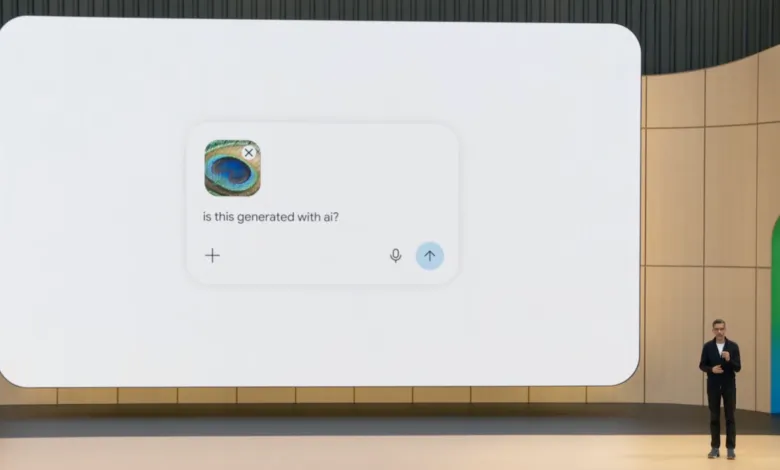
These protective measures are limited to images created using OpenAI’s own products, meaning they won’t curb the flood of visuals from less reputable AI tools. However, they do ensure that OpenAI isn’t contributing to the confusion. The company is also previewing a public verification tool that can check for both signals, allowing users to easily determine whether an image was AI-generated. Initially, this tool will only work with images from OpenAI’s ecosystem, though the company hopes to expand it to other platforms over time.
The Coalition for Content Provenance and Authenticity (C2PA), founded in 2021, is a nonprofit focused on reducing the harmful impact of AI imagery on public discourse. While the C2PA standard has been adopted across several Google products, industry-wide adoption remains uneven. Because the C2PA signal is stored in metadata, it is transparent but also vulnerable to manipulation, making it most reliable among trusted users.
SynthID represents a newer, more robust approach. Developed by Google, this invisible watermark is engineered to survive common tampering attempts like screenshots, resizing, or digital editing. The two systems are designed to work in tandem, each compensating for the other’s limitations.
“Watermarking can be more durable through transformations like screenshots, while metadata can provide more information than a watermark alone,” OpenAI explained in its announcement. “Together, they make provenance more resilient than either layer would be on its own.”
(Source: TechCrunch)