Weekly GEO: Adapting to Rapid AI Changes

▼ Summary
– Generative Engine Optimization (GEO) requires continuous weekly adjustments by PR, SEO, and content teams to ensure brand visibility in AI-generated answers.
– Recent data indicates that a majority of U.S. Google searches end without clicks, especially when AI summaries appear above traditional results.
– Agencies are shifting from quarterly reviews to weekly loops where all three teams analyze the same user prompts to guide their strategies.
– PR teams use these insights to target relevant media outlets, while SEO and content teams optimize or create pages that directly answer buyer queries.
– This integrated approach ensures that pitching, on-site updates, and content creation align with real-time shifts in what buyers are asking AI tools.
Generative Engine Optimization (GEO) is no longer a set-and-forget strategy. As artificial intelligence increasingly satisfies user queries without driving traffic to external websites, marketing teams must abandon quarterly review cycles in favor of weekly operational adjustments. The goal has shifted from securing click-throughs to ensuring brand presence within AI-generated summaries.
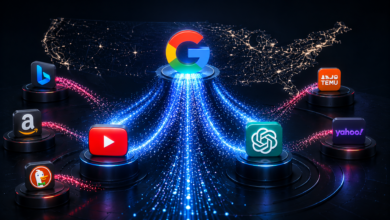
Recent data underscores this dramatic shift in user behavior. SparkToro’s analysis of U. S. Google searches reveals that 68% of search sessions end without a single click, based on Similarweb panel data from early 2026. This trend accelerates when AI summaries are present. According to Pew Research, users click traditional organic results in only 8% of visits when an AI overview appears, compared to 15% when such summaries are absent. Consequently, the AI engine’s own answer becomes the primary touchpoint for buyer trust. To remain visible, brands must align their public relations, SEO, and content efforts around shared signals that evolve week by week.
Unified Data as the Foundation
The traditional agency model often silos these functions, passing projects linearly from one department to the next. This approach fails in an AI-first environment where visibility depends on a cohesive narrative across multiple sources. Successful GEO requires all three teams to operate from a single source of truth: the actual prompts buyers type into AI tools during their research process.
To capture this data efficiently, agencies are building internal tools that surface real-time user queries. Instead of guessing what consumers ask about specific topics, teams can observe direct inputs. This intelligence drives distinct but interconnected actions across departments:
- PR teams use prompt data to identify which reporters and publications AI engines frequently cite, allowing them to pitch stories that align with those trusted sources.This integration ensures that a PR pitch considers SEO findings, and new website content reflects recent media placements. No team operates in isolation, eliminating guesswork and creating a unified front.
The Weekly Execution Loop
Replacing infrequent quarterly meetings with a standing weekly loop allows teams to adapt quickly to changing algorithms and consumer interests. The rhythm begins early in the week with a review of fresh prompts and category shifts. This insight shapes the immediate pitching and content calendar.
Mid-week execution involves simultaneous action. PR places articles in targeted media outlets while SEO updates site architecture to match high-intent queries. Writers produce content that ties back to the core narrative established by the other two teams, rather than creating disjointed assets. By Friday, the team conducts a rigorous audit of all published work against live search results.
Effective monitoring goes beyond passive dashboard observation. It requires logging live searches and recording the specific answers generated for each prompt. This process identifies which brands are mentioned, their ranking order, and the sentiment of their description. Recognizing patterns in near real-time helps teams understand why positions change, whether due to new coverage or competitor optimizations. These insights directly inform the strategy for the following week.
Why Legacy Models Fail
The conventional separation of duties breaks down because AI visibility relies on consistency across diverse sources. Authority is built through a narrative reinforced over months, blending owned web content, third-party press, and accurate factual representation. When SEO, PR, and content teams work in parallel rather than in concert, they risk sending mixed signals to AI engines.
Integrating these functions ensures that every piece of content, pitch, and optimization effort supports the same core message. By doing the steady, collaborative work of answering real human questions, brands position themselves as authoritative references in the eyes of AI systems.
(Source: MarTech)