Valve’s New VR Streaming Works With Any Headset

▼ Summary
– Valve’s Steam Frame VR headset uses foveated streaming to reduce latency by prioritizing high-quality video where users look and lowering peripheral resolution.
– The technology relies on a dedicated wireless streaming adapter and internal eye-tracking cameras to optimize game streaming from a PC.
– Foveated streaming will not be exclusive to the Steam Frame and can work with any eye-tracking headset compatible with Steam Link.
– The author tested the feature and found it indistinguishable from local gameplay when streaming Half-Life: Alyx wirelessly.
– Valve’s wireless adapter support is limited to SteamOS, making it difficult for other VR headsets to use the adapter.
Valve’s latest innovation in virtual reality, a streaming-first headset named the Steam Frame, introduces a groundbreaking technique called foveated streaming to minimize latency and enhance the gaming experience. This method cleverly adjusts image quality based on where the user is looking, delivering high-resolution visuals directly in the line of sight while reducing detail in peripheral areas. The result is a significant drop in bandwidth and processing requirements without sacrificing the core visual fidelity that players demand.
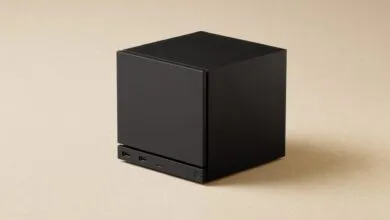
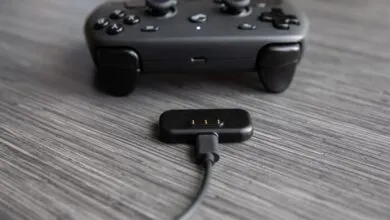
To bring this technology to life, the Steam Frame incorporates specialized hardware components. A dedicated wireless streaming adapter transmits game data from a PC to the headset, while integrated eye-tracking cameras monitor the user’s gaze direction. This approach mirrors the concept of foveated rendering, a technique already employed in devices like Apple’s Vision Pro for on-device graphics processing, but here it is tailored specifically for streaming applications.
Importantly, Valve has confirmed that foveated streaming will not remain exclusive to the Steam Frame. According to hardware engineer Jeremy Selan, the feature is designed to function with any VR headset that includes eye-tracking capabilities and is compatible with the Steam Link streaming app. While the system is currently fine-tuned for the Steam Frame, this openness suggests a wider rollout could benefit many existing VR enthusiasts.
Hands-on experience with the technology reveals its effectiveness. During a demonstration playing Half-Life: Alyx on the Steam Frame, streamed wirelessly from a nearby computer, the experience felt indistinguishable from running the game locally on the headset. Valve has not yet announced a timeline for expanding foveated streaming to other compatible headsets, but the prospect of broader availability is encouraging for the VR community.
However, one limitation remains: the dedicated wireless streaming adapter appears tied to the Steam Frame for now. Selan notes that supporting the adapter on other headsets presents greater challenges without the low-level operating system integration available through SteamOS. This means that while the streaming technology itself may become more accessible, the specific hardware advantage of the wireless adapter could stay exclusive to Valve’s own device.
(Source: The Verge)