Australia’s First AI Phone Agent for Orders Launches
▼ Summary
– Otto is Australia’s first AI ordering telephone agent that operates 24/7 to answer calls, manage bookings, and take orders for restaurants and cafés.
– It addresses the hospitality industry’s challenges of high staff turnover and missed revenue opportunities from unanswered calls, with 34% of restaurant calls currently going unanswered.
– The standalone product requires no apps or software integration, allowing venues to start using it instantly with just a phone number and printer.
– Otto helps increase revenue by capturing all phone orders and bookings while allowing staff to focus on in-person customer service.
– For customers, Otto provides faster service and greater convenience by enabling takeaway and catering orders to be placed accurately at any time of day.
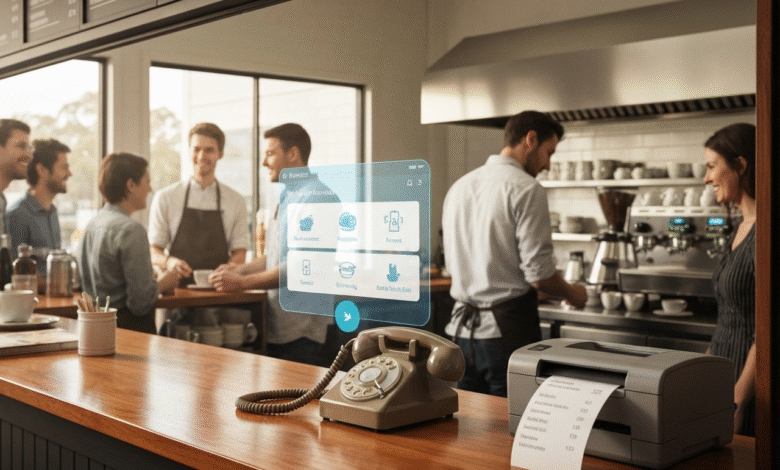
A new artificial intelligence telephone agent named Otto is now available across Australia, offering restaurants, cafés, and catering services a way to handle customer orders and bookings automatically. This innovative system answers calls day and night, capturing revenue opportunities that might otherwise be missed when staff are unavailable. Developed specifically for the hospitality sector, Otto requires no app downloads or software installations, businesses simply connect a phone number and printer to begin using the service immediately.
Hospitality operators face ongoing challenges like high employee turnover, limited resources, and growing customer demands. Research indicates that 71 percent of incoming calls are tied directly to revenue, yet more than a third of restaurant calls go unanswered. These missed connections often represent lost bookings, takeaway orders, or catering requests. Otto addresses this gap by functioning as a reliable virtual team member that ensures every call is handled professionally.
Shannon Hatout, Founder and CEO of Otto, explains that the fast-paced nature of the industry makes it difficult for staff to manage phones during busy periods. “Otto acts as a dependable assistant who never misses a call,” Hatout says. “By capturing every order and booking, it helps venues increase earnings while allowing employees to concentrate on in-person service.” With more than half of restaurant revenue now coming from off-premise orders, and only 27 percent processed online, telephone orders remain a vital income source for many establishments.
Marco Di Pietrantonio, owner of Italico restaurant, shares his experience: “During the summer, our business surges. The dining room fills up and the phones ring nonstop. Before Otto, if no one was available to answer, we were effectively turning away money. Now we manage phone orders without diverting staff from their primary duties. It’s an intelligent, straightforward tool that lets us stay focused on our guests.”
From the customer’s perspective, Otto delivers quicker service and added convenience. Patrons can place takeaway or catering orders at any hour, confident that their requests will be accurately recorded and sent directly to the kitchen without delay.
Scott Fox, Chief AI Officer at Otto, notes that hospitality professionals can be hesitant about new technology. “Many operators are still evaluating how AI might benefit them, so adoption often gets postponed,” Fox observes. “What sets Otto apart is how seamlessly it integrates into existing workflows. It behaves just like a human employee, answering the phone, conversing with the customer, and relaying the order to the kitchen. The most successful tools in hospitality are those that fit naturally into daily operations while enhancing the customer journey.”
Ultimately, Otto offers a scalable solution for venues aiming to safeguard revenue, ease staff workload, and improve the overall dining experience.
(Source: ITWire Australia)