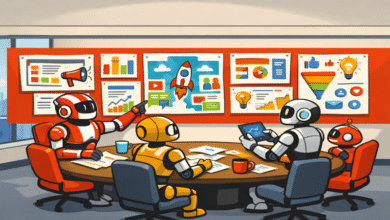
Is HR Prepared for the AI Revolution?

▼ Summary
– Most companies are already using or plan to use AI for HR activities like recruiting and talent management within the next 24 months.
– Only 34% of organizations have a policy on generative AI, and even fewer offer effective training, highlighting a gap in safe AI adoption.
– Recruiting is the most common area for AI use in HR, with 30% of organizations currently using it and 36% planning adoption soon.
– The lack of AI skills (37%) and immature solutions (15%) are the top barriers to AI adoption in HR, alongside regulatory concerns.
– Risks of AI in HR include data security, biases, and errors, with payroll and recruiting being the highest-risk areas.
HR departments worldwide are rapidly embracing artificial intelligence, yet many remain unprepared for the challenges this transformation brings. A recent industry report reveals that while over 30% of companies already use AI for recruiting, with another 36% planning adoption within two years, critical gaps in policies, training, and ethical guidelines threaten to undermine these advancements.
Recruiting leads AI adoption in HR, with talent acquisition teams leveraging technology for candidate screening and outreach. Training programs and performance management systems follow closely behind, showing a 100% growth in AI implementation since 2023. However, payroll and benefits administration lag due to concerns over data security and compliance risks.
Despite the momentum, only 34% of organizations have established AI usage policies, and even fewer address ethical considerations. Training initiatives remain scarce, just 31% of companies educate employees on AI tools, while a mere 10% prepare workers for potential job displacement. The lack of AI expertise (37%) and immature solutions (15%) further hinder progress, leaving HR leaders struggling to balance innovation with risk mitigation.
AI’s potential in HR is undeniable, particularly in recruiting (25%), training (18%), and performance management (10%). Yet, risks loom large, payroll errors (25%), biased algorithms, and data breaches top the list of concerns. Without proper safeguards, AI hallucinations and toxic outputs could compromise sensitive employee information. Experts recommend keeping humans in the loop to minimize these dangers.
The path forward requires urgent action. Companies must develop clear AI policies, invest in workforce training, and integrate ethical frameworks to harness AI’s benefits responsibly. Those who fail to act risk falling behind, or worse, facing costly missteps in an increasingly automated HR landscape.
(Source: ZDNET)