iPhone 18 Pro Camera: Why Variable Aperture Isn’t the Highlight
▼ Summary
– The iPhone 18 Pro introduces a variable mechanical iris allowing aperture adjustments between f/1.48 and f/4, alongside new manual controls for shutter speed and white balance.
– The article argues that the variable aperture feature is limited due to small smartphone sensors, offering minimal sharpness gains and potential diffraction issues at higher f-stops.
– Competitors like Samsung and Xiaomi have previously abandoned variable apertures because they provide little benefit for typical smartphone photography scenarios.
– The true standout feature is identified as the wider f/1.48 maximum aperture, which improves low-light performance and provides a slightly shallower depth of field for bokeh effects.
– Manual aperture control is most useful for specific situations like group shots in bright light or video shooting in direct sunlight, rather than general daily use.
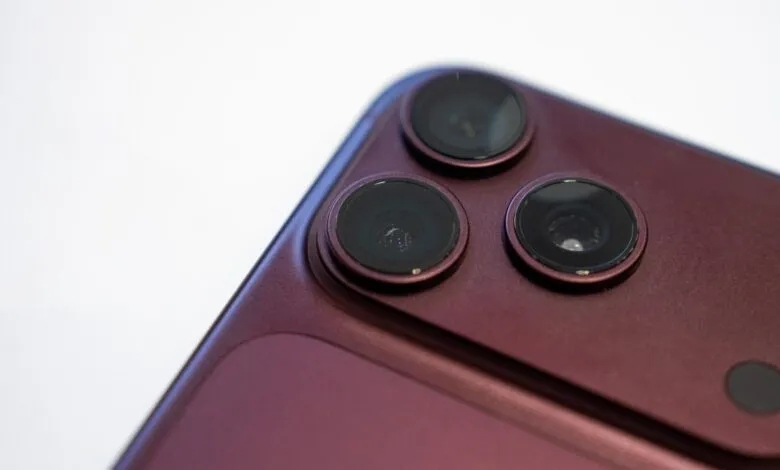
Apple’s latest marketing push for the iPhone 18 Pro centers heavily on its new variable aperture system. Both the standard Pro and Pro Max models now feature an adjustable mechanical iris in their primary camera modules. This hardware allows photographers to manually control light intake, offering four distinct settings: f/1.48, f/1.8, f/2.8, and f/4. While the device can still select these values automatically, the update introduces a suite of manual pro controls. Users can now adjust shutter speeds, set white balance manually, and even focus by hand, all within the native camera application.
This integration marks a significant shift for iOS photography. Previously, achieving such granular control required downloading third-party applications like Halide. Now, these capabilities are built directly into Apple’s software ecosystem. The move suggests strategic talent acquisition, with industry speculation pointing toward key hires from competing developer teams. However, despite the technological achievement, the variable aperture itself may not be the standout feature it is made out to be. In practical terms, the ability to stop down the lens offers limited benefits compared to the advantages of opening it up.
The limitations stem from the physical constraints of smartphone imaging. Smartphone sensors remain quite small, which naturally results in a deeper depth of field. Consequently, most subjects stay in acceptable focus unless the photographer gets extremely close to them. Stopping down to f/4 does not yield the dramatic sharpness improvements seen in full-frame cameras. In fact, due to optical phenomena like lens diffraction, images taken at smaller apertures may actually appear less sharp than those captured at f/1.8 or f/2.8. The primary utility of stopping down is increased depth of field for close-up subjects, helping keep more people in focus during group shots in bright conditions, or managing exposure in video recording under intense sunlight. These scenarios are useful but relatively rare.
Other major manufacturers, including Samsung and Xiaomi, have experimented with similar variable aperture technology before quietly abandoning it. Their experience highlights that smartphone sensors already provide sufficient depth of field at midrange and distant distances without needing to restrict light entry. The real advantage lies elsewhere in the iPhone 18 Pro’s lens specifications.
The True Advantage of a Wider Opening
The genuine highlight of the iPhone 18 Pro camera is its f/1.48 maximum aperture. This represents a notable upgrade from the f/1.7 aperture found in last year’s Pro models. A wider opening allows significantly more light to hit the sensor, improving performance in low-light environments. More importantly, it enables a shallower depth of field, creating the coveted background blur known as bokeh.
While the difference in bokeh between f/1.7 and f/1.48 may not be astronomically large, it contributes to the aesthetic quality that users desire. Photographers familiar with professional equipment understand this appeal well. For instance, using a fast lens like a 50mm f/1.2 on a full-frame camera produces a unique look where the subject is isolated from a dreamy, blurry background. Although a smartphone sensor cannot perfectly replicate the physics of a large-format camera, the goal of modern mobile photography is to emulate that style. This desire is precisely why Portrait Modes became a staple feature on smartphones. The f/1.48 aperture brings the iPhone closer to that ideal, providing a natural separation between subject and background that enhances portrait photography.
Manual Controls and Practical Usage
The inclusion of advanced manual controls is undeniably exciting for enthusiasts. Having the ability to tweak shutter speed, white balance, and focus directly in the main app removes the friction of switching to specialized software. This convenience is valuable for users who want professional-level adjustments without the learning curve of external apps.
However, the practical reality of daily use may differ from the initial excitement. Many users might find themselves ignoring the manual aperture settings after the novelty wears off. The automatic mode remains highly competent for most situations. That said, the f/1.48 wide aperture will likely remain a consistent benefit. It provides better low-light capability and more pleasing background blur regardless of whether the user engages with the manual controls. Ultimately, while the variable aperture is a technical feat, the wider opening is the feature that will deliver tangible value to everyday photographers.
(Source: The Verge)


