Anthropic launches Claude Science; California rethinks carbon manure math
▼ Summary
– The US lifted restrictions on Anthropic’s AI models after security concerns and talks, but the crackdown aided Chinese AI rivals.
– The most detailed universe survey began using the largest digital camera at the Vera C. Rubin Observatory in Chile.
– Tech talent is leaving the US due to H1-B visa issues, while China poaches AI talent.
– Trump earned over $1 billion from crypto in 2025, including $635 million from a meme coin.
– The UN warned AI may worsen global inequality and proposed a shared development framework.
The US government has lifted restrictions on Anthropic’s Mythos and Fable models, with the company announcing it will begin restoring access today. The controls had been imposed over security concerns, according to Bloomberg, but were dropped after lengthy negotiations with Anthropic, the BBC reports. However, the crackdown has already opened doors for Chinese AI rivals, CNBC notes.
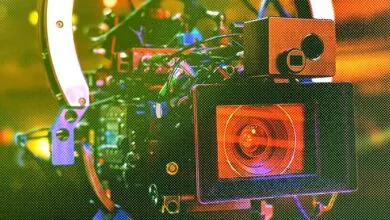
The most detailed survey of the universe ever is now underway, using the largest digital camera on Earth. Based at the Vera C. Rubin Observatory in Chile, the project aims to transform our view of the cosmos, according to MIT Technology Review.
Tech talent is fleeing the US due to H1-B visa chaos, eyeing relocation to Canada, the UK, or the Gulf, Rest of World reports. Meanwhile, China is poaching AI talent from the US, CNBC says. Visa rules are also affecting young scientists, MIT Technology Review adds.
Trump raked in more than $1 billion from crypto businesses in 2025, reporting $635 million in royalties from a Trump meme coin, the BBC reports. The rest largely came from his World Liberty Financial venture, according to The Hill.
The UN warns that the rapid spread of AI may worsen global inequality, proposing a shared framework for responsible AI development, the Guardian reports.
Companies are making LLMs talk like a caveman to curb AI spending. A senior OpenAI employee contributed to the “caveman” project, 404 Media reports.
Babies are born with the neural foundations for math, with brain recordings identifying the mechanisms, New Scientist reports.
An independent studio has bought the OpenAI movie Amazon dropped. Neon has purchased “Artificial,” which focuses on Sam Altman, the NYT reports. Amazon had dumped it after investing in OpenAI, Gizmodo says. The depiction of Altman is reportedly unsympathetic, according to Variety.
AI has re-created Gene Wilder’s voice for a new “Willy Wonka” series. Wilder’s wife said his estate is “delighted” with the new show, NBC News reports. Netflix partnered with AI company ElevenLabs on the project, The Verge reports.
NASA aims to send a spare Mars rover,and soccer ball,to the moon. The nuclear-powered “Promise” may help establish a lunar base, the NYT reports.
Quote of the day: “Caveman save you token, save you money.” The GitHub repository for the “caveman” plugin explains how the project curbs AI spending by turning verbose LLM outputs into concise text.
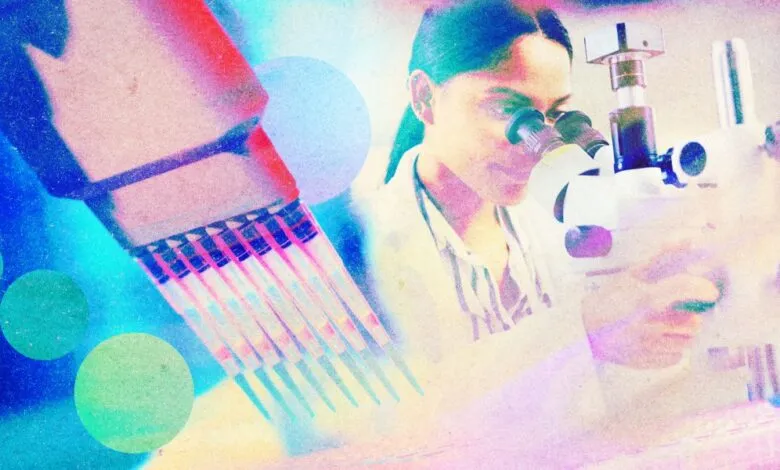
One more thing: AI is dreaming up drugs that no one has ever seen. Now we’ve got to see if they work. On average, it takes more than 10 years and billions of dollars to develop a new drug. A growing number of startups are betting that AI can make the process faster and cheaper. By predicting how potential drugs might behave in the body and discarding dead-end compounds before they leave the computer, machine-learning models can cut down on the need for painstaking lab work. Yet it is still early days for AI drug discovery. A lot of AI companies are making claims they can’t back up,and the technology is not a panacea. But the technology is beginning to move from promise to practice. Find out how AI is speeding up drug discovery.
(Source: MIT Technology Review)