Amazon cites malware in pirate apps for killing Fire Stick sideloading

▼ Summary
– Amazon is stopping new Fire Stick models from supporting sideloading due to malware threats.
– Newer Fire Sticks use Amazon’s proprietary Vega OS, unlike older models that ran Fire OS based on Android.
– Vega OS does not allow sideloading apps from outside Amazon’s Appstore, a key difference from Fire OS.
– Sideloading had become linked to streaming piracy, especially of sporting events, contributing to the change.
– Amazon cited the malware threat as the official reason for blocking sideloading on new Fire Sticks.
Amazon has officially confirmed that security concerns are the driving force behind its decision to end sideloading support on newer Fire Stick models. The company points directly to the risk of malware found in unauthorized third-party apps as the reason it will no longer release devices capable of installing software from outside its own Appstore.
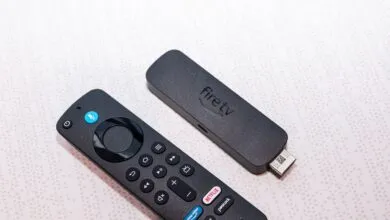
The shift began when Amazon introduced two Fire Stick models running Vega OS, its proprietary Linux-based operating system. Previous generations relied on Fire OS, a customized fork of the Android Open Source Project that allowed users to sideload apps. The fundamental difference between the two platforms is that Vega OS simply does not support the sideloading feature.
While the move was anticipated, it marks a clear departure from the flexibility that once defined the Fire TV ecosystem. For years, tech enthusiasts sideloaded apps ranging from the Google Play Store to niche utilities, expanding their devices’ capabilities. However, that same openness has increasingly been exploited for streaming piracy, particularly for live sports events, as noted in industry reports.
Amazon’s executive team now frames the restriction as a necessary security measure, arguing that the prevalence of malware in pirate apps poses a genuine threat to users. By locking down the platform with Vega OS, the company aims to protect consumers while also closing a loophole that had become synonymous with unauthorized content access.
(Source: Ars Technica)