OpenAI hires Apple’s Vision Pro lead Paul Meade
▼ Summary
– Paul Meade, Apple’s vice president overseeing the Vision Pro and smart glasses program, is leaving Apple to join OpenAI’s hardware unit to build AI-powered devices.
– Meade’s departure marks the most senior Apple executive to defect, breaking an unwritten rule that Apple does not lose vice presidents to rivals.
– At OpenAI, Meade will reunite with former Apple colleagues Jony Ive, Tang Tan, and Evans Hankey, effectively rebuilding Apple’s old hardware leadership within the AI lab.
– Apple has lost other talent to competitors, including human interface chief Alan Dye to Meta, and Meade’s exit follows a recent reshuffle under new chief hardware officer Johny Srouji.
– Meade leaves behind a Vision Pro product line that has struggled with sales, as Apple has shifted focus to lighter smart glasses, giving OpenAI insight into Apple’s wearable strategy.
Apple has historically guarded its vice presidents like state secrets. Losing one to a rival was almost unthinkable. That unwritten rule shattered on June 26 when Paul Meade, the executive behind Apple’s Vision Pro headset and smart glasses program, announced he is leaving for OpenAI. This marks the most senior defection from Cupertino to an AI company yet, and it signals a hardware talent war that now points directly at Apple’s core.
The news broke via Bloomberg’s Mark Gurman, with The Information and TechCrunch confirming it the next day. Both Apple and OpenAI declined to comment. Meade departs Apple by next week and will join OpenAI’s hardware unit, where he will help build a planned family of AI-powered devices. Apple shares trimmed their gains after the report, trading up roughly 2%.
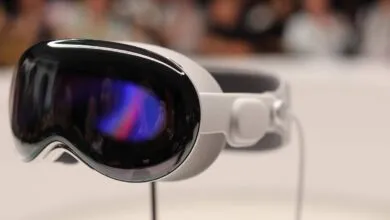
Meade’s departure cuts deep because of his pedigree. He joined Apple in 2010, managed early iPad development, then ran iPhone program management. In 2017, he moved to the Vision Products Group and spent seven years leading Vision Pro hardware engineering. His deputy, Fletcher Rothkopf, will take over much of the work.
This isn’t just one executive leaving. It’s a pattern. At OpenAI, Meade reunites with former Apple colleagues Jony Ive, Tang Tan, and Evans Hankey , the designers and hardware leaders who once shaped the iPhone. Their startup sold to OpenAI last year for $6.5 billion. OpenAI is effectively reassembling Apple’s old hardware brain trust inside an AI lab. The prize is the same one Meade chased at Apple: the device that follows the smartphone. Sam Altman has described OpenAI’s first effort as more peaceful and calm than an iPhone.
That device hasn’t come easily. Reports last autumn suggested Ive and OpenAI were still struggling with fundamentals. Meade’s job is to turn a concept into something shippable , the exact work he did on the Vision Pro.
Meade is the most high-profile name, but not the first. OpenAI has steadily poached engineers from Apple’s hardware ranks. Alan Dye, Apple’s human interface chief, left for Meta in December. The direction is clear, and the flow runs one way.
The timing also matters. Meade reports into a hardware organization that Johny Srouji, the new chief hardware officer, has just reshuffled. Several vice presidents, including Meade, now sit a level lower under a new manager. Some felt demoted, Gurman reported. The change came as John Ternus prepares to take over as Apple CEO on September 1.
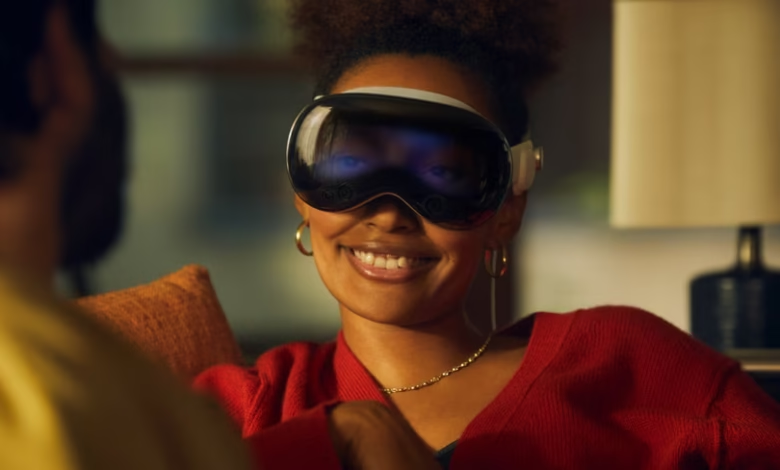
Meade leaves a product line in retreat. The Vision Pro never achieved volume sales, and Apple has quietly de-prioritized enclosed headsets. A redesigned model isn’t expected until 2028 or 2029. The company has pivoted to lighter, display-free smart glasses due next year to compete with Meta. That glasses effort was Meade’s too, along with longer-term work on augmented-reality glasses planned for the end of the decade. His exit hands a competitor not just talent but a map of where Apple thinks wearables are heading.
Apple still has plenty in motion: camera-equipped AirPods, a tabletop robot, and a wearable pendant. It also faces mounting pressure on AI. OpenAI, meanwhile, is building out its own hardware ambitions and now has the people to try.
The question is no longer whether OpenAI can hire Apple’s talent. It clearly can. The question is whether a company that has never shipped a consumer device can do what Apple, with all that talent, could not: make people want to wear the future on their face.
(Source: The Next Web)